
How to Check an Encumbrance Certificate in Chandigarh — Complete Guide 2026
Before you buy any property in Chandigarh, one document tells you if the seller actually has the right to sell. The Encumbrance Certificate shows every loan, mortgage, and legal claim registered on that property. Skip it, and you could inherit someone else's debt.
What Is an Encumbrance Certificate in Chandigarh?
Definition
An Encumbrance Certificate is an official document issued by the Sub-Registrar's Office under the Registration Act, 1908. It records every registered transaction on a property for the period you request, including sales, mortgages, gift deeds, court attachments, and liens.
The Sub-Registrar office in Chandigarh UT sits at 30 Bays Building, Sector 17. That office is the only authority that issues this certificate for properties within the UT. The EC pulls data straight from the registered deed index maintained there. So it only shows what was formally filed. Any oral deal, unregistered transfer, or family arrangement done on a stamp paper without Sub-Registrar involvement will not appear anywhere on the EC.
Two types get issued. Form 15 comes out when the Sub-Registrar finds registered transactions on the property during the period you asked for. Form 16, called a nil EC, comes out when the search finds nothing. A nil EC does not mean the property is clean. It means nothing was registered during that window. Older claims, unrecorded transfers, or disputes outside your search period will simply not show up.
How to Get Encumbrance Certificate in Chandigarh: Step-by-Step
You can apply either through the official online portal or by walking into the Sub-Registrar's Office at Sector 17. Before you start either way, keep the property's plot number, sector, and registration deed details in hand.
Online method (recommended)
Offline method (Sub-Registrar Office)
What Does an Encumbrance Certificate Contain in Chandigarh?
The EC from the Chandigarh Sub-Registrar's Office lists every registered deed transaction in a structured format for the period you requested.
| Field | What it means | What to check |
|---|---|---|
| in Chandigarh? | The EC from the Chandigarh Sub-Registrar's Office lists every registered deed transaction in a structured format for the period you requested. | Applicant Name | Name of the person who applied for the EC | Make sure your own name is entered correctly |
| Property Description | Plot number, sector, and boundaries | Match this exactly against the sale deed you are buying | Transaction Type | Sale, mortgage, gift deed, court order, lien | Look for any mortgage entry that has not been discharged | Date of Registration | Date the deed was registered at the SRO | Check there is no unexplained gap between ownership transfers |
| Parties to Transaction | Names of buyer, seller, or lender in each entry | Cross-check these against the seller's identity documents | Volume and Book Number | Reference index for the registered deed | Use this to pull the original deed if you need to verify further | Certificate Type | Form 15 (transactions found) or Form 16 (nil) | Nil does not mean clean title; always follow up with a lawyer |
Common Issues With Encumbrance Certificate in Chandigarh
These are the problems that come up most often when buyers in Chandigarh UT deal with an EC.
Why Encumbrance Certificate Matters for Land Buyers in Chandigarh
In Chandigarh's tightly regulated property market, the EC is the one document that can stop a bad deal before money changes hands.
Looking to sell your land in Chandigarh?
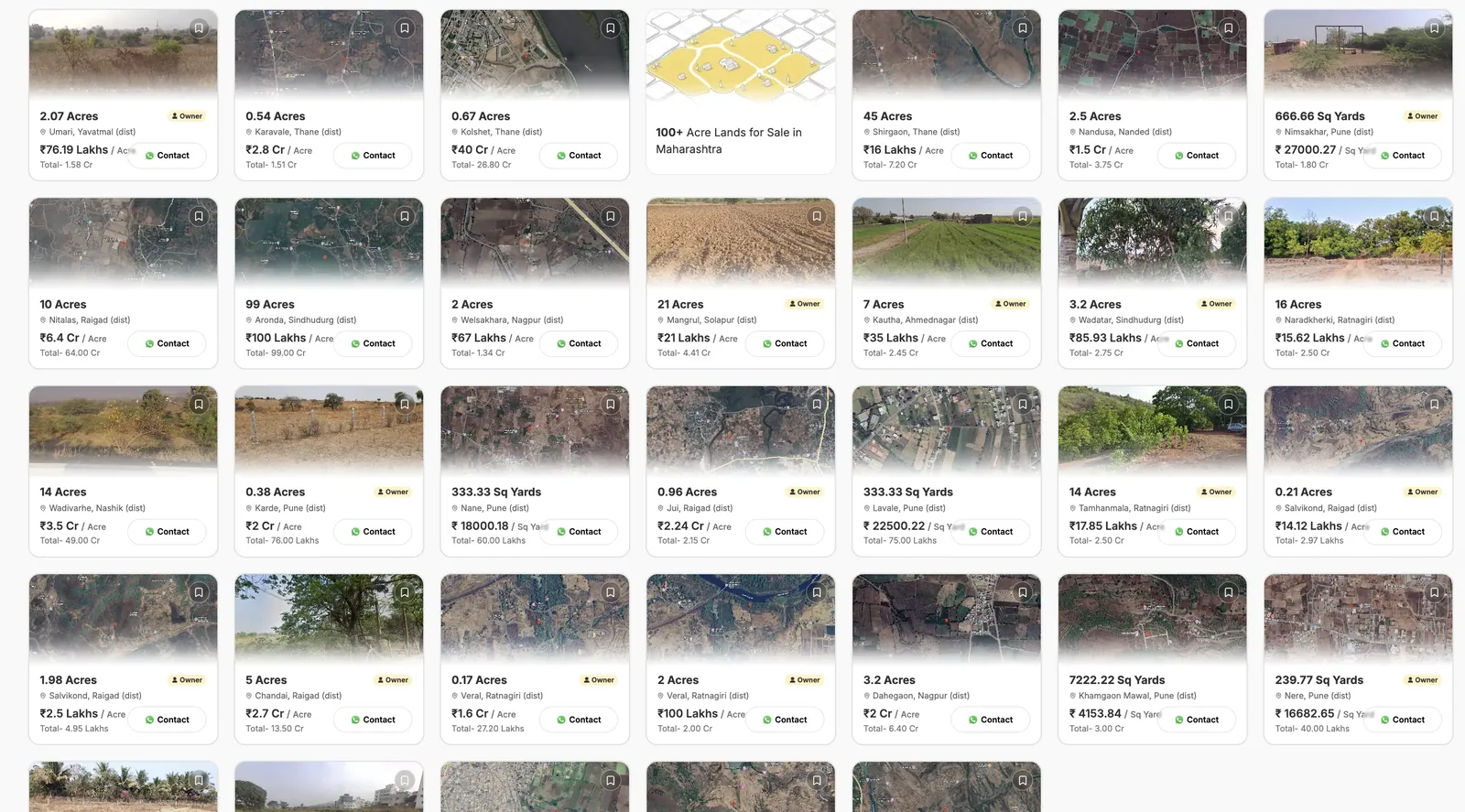
Browse 3+ verified lands & plots in Chandigarh
Frequently Asked Questions
What is the Encumbrance Certificate Chandigarh 2026 and why do buyers need it?
How many years should an EC cover before buying property in Chandigarh?
What is the difference between Form 15 and Form 16 in an encumbrance certificate?
Is the encumbrance certificate mandatory for home loans in Chandigarh?
How long does it take to get an EC in Chandigarh?
How do I verify if an encumbrance certificate from Chandigarh is genuine?
What is a nil encumbrance certificate and is it safe to buy property based on it?
What happens if the EC shows an open mortgage on the property I want to buy?
Other Related Guides
Leasehold Freehold Chandigarh 2026: Complete Buyer's Guide
Learn how leasehold and freehold status works in Chandigarh. Check your property type via Estate Office, understand 99-year lease terms, NOC rules, and conversion steps before you buy.
Read guide →Estate Office Allotment Letter Chandigarh 2026 Guide
Learn what the Estate Office Allotment Letter is in Chandigarh, how to verify it, transfer process steps, and why it is the primary proof of ownership for leasehold property.
Read guide →Legal Heir Certificate Chandigarh 2026: Complete Guide
Learn how to get a Legal Heir Certificate in Chandigarh. Steps, documents, fees, processing time, and why all heirs must consent before any property sale.
Read guide →Property Tax Chandigarh 2026: Receipt & Nil Dues Guide
Get your property tax receipt in Chandigarh, check house tax dues, download from MCC portal, and get the Nil Dues Certificate before any land purchase in 2026.
Read guide →Building Plan Approval Chandigarh 2026: Complete Guide
Get building plan approval in Chandigarh via OBPAS. Know the fees, steps, documents, and why the sanctioned plan must match your actual building before you buy.
Read guide →Survey Map Chandigarh 2026: Plot Boundaries Guide
Everything you need to know about Survey Map Chandigarh 2026. Learn how to check plot boundaries, get a certified copy, and avoid boundary fraud before buying land.
Read guide →