Document Guide · Goa

How to Check a Mutation Record in Goa — Complete Guide 2026

The Mutation Record Goa, called Hakkache Patra in Konkani, is the Mamlatdar's order updating ownership in revenue records after a transfer. Goa runs both a digital register and a parallel manual register; the two do not always match. Verify both before purchase.

Quick Reference
Also calledHakkache Patra, Mutation Entry, Form I and XIV Mutation
Issued byMamlatdar of the Taluka under the Goa Land Revenue Code, 1968
Valid forLifetime; pull a fresh extract within 30 days of any transaction
CostAround ₹100 to ₹300 per certified extract; varies by Taluka
Time taken30 to 60 days for routine cases; longer for partition or inheritance
Online portalgoaonline.gov.in (Department of Revenue)
1

What is a Mutation Record in Goa?

Definition

A Mutation Record Goa, locally called Hakkache Patra, is the Mamlatdar's order updating the Form I and Form XIV ownership entries after a Sale Deed, Gift, Partition, Inheritance, or Court Decree. It is governed by the Goa Land Revenue Code, 1968 and processed at the Mamlatdar's office in the Taluka.

Mutation does not transfer title; the Sale Deed does that. Mutation updates the State's revenue records to reflect the new owner. Land tax demands flow to the mutated name. Form I (Index of Holdings) and Form XIV (Record of Tenancy and Cultivation) carry the new owner's name only after mutation. Banks check mutation status before sanctioning loans. The Sub-Registrar does not require mutation at registration, but mutation is essential for the buyer's name to reach the village register.

Goa runs two parallel mutation systems. The digital register on goaonline.gov.in is the modern, searchable version. The Mamlatdar's office maintains a manual register dating back decades, often in Portuguese script for pre-1961 entries. The two should match; in practice, they often do not. Buyers who rely only on the digital print miss handwritten amendments, pending objections, or older inheritance entries. The manual register is where third-party claims hide.

State-specific note: Verify the manual mutation register alongside the digital record. The two often diverge on pre-2000 entries, partition cases, and inherited parcels. Discrepancies are where hidden claims live. Cross-check before any advance.
2

How to Get the Mutation Record in Goa: Step-by-Step on goaonline.gov.in

Two routes for mutation verification. The goaonline.gov.in portal returns the digital register entry. The Mamlatdar's office holds the manual register and the original mutation file. Use both. Carry survey number, sub-division, Taluka, and the seller's ID.

Online method (recommended)

1
Open [goaonline
gov.in](http://goaonline.gov.in) Visit goaonline.gov.in and select Department of Revenue, then Mutation or Form I and XIV. Sign up if needed. Payment for certified extracts is online.
2
Search by survey and Taluka Enter survey number, sub-division, village or city, and Taluka
The portal returns the current mutation entry showing owners, share, and last mutation reference.
3
Pull both Form I and Form XIV Both forms should reflect the same name
Form I shows ownership; Form XIV shows tenancy and cultivation. Mismatches between them indicate a pending mutation or unrecorded transaction.
4
Download the certified copy Download the digitally signed extract
Read the mutation history. Every Sale Deed, Gift, Partition, or Inheritance entry should match what the seller can show in original deeds. * ###
* If the digital extract dates the last mutation more than five years back and no transaction has happened, ask why. Old unmutated transactions surface here.

Offline method (Sub-Registrar Office)

1
Visit the right Mamlatdar The Taluka where the parcel sits
Take the survey number, sub-division, and the seller's deed bundle. The Mamlatdar's office holds the manual register through the Talathi or Patel.
2
Apply for the certified extract Fill the application for a certified extract of the manual mutation register
Pay the counter fee. The Talathi pulls the village register for the parcel.
3
Read the manual entries The register shows handwritten mutation entries, dates, and Mamlatdar signatures
Older entries may be in Portuguese script. Cross-check entry numbers against the digital print.
4
Resolve any divergence If a mutation appears manually but not digitally, ask the Mamlatdar to digitise it before purchase
If it appears digitally but not manually, that is a forged digital entry. Walk away. *
* For pre-1961 entries in Portuguese, engage a Goa-licensed lawyer for translation. Inheritance mutations may sit unresolved for decades.
3

What Does the Mutation Record Contain in Goa?

Each mutation entry records a fixed set of facts about the ownership change. Mismatch between digital and manual versions on any field is a transfer-blocking defect.

Field What it means What to check
Survey Number / Sub-divisionParcel identifierMatch against Sale Deed and Form I, XIV
Mutation Reference NumberUnique mutation entryCross-check digital and manual registers
Mutation DateDate the Mamlatdar passed the orderConfirms when ownership change was recorded
Type of MutationSale, Gift, Partition, Inheritance, Court DecreeMatches the transaction type from the deed
Outgoing OwnerPrevious registered nameConfirms whose name is being replaced
Incoming OwnerNew registered nameThe buyer's name should appear here post-purchase
Share / ExtentArea or share mutatedMatch against Sale Deed and FMB sketch
Mamlatdar SignatureOrder authenticationDigital signature for online; physical seal for manual
Good sign: Survey number matches across digital and manual registers, Form I and Form XIV both updated, mutation reference traces back to a valid Sale Deed, and the Mamlatdar's signature on the latest entry.
4

Common Issues With Mutation Record in Goa

Each mutation entry records a fixed set of facts about the ownership change. Mismatch between digital and manual versions on any field is a transfer-blocking defect.

Digital and manual register diverge
Pre-2000 mutations and inheritance entries often differ between the digital and manual registers. The seller may show only the favourable version. Hidden claims live in this gap. *
Fix: * Pull both registers in parallel. Reconcile every entry. Walk away on unresolved divergences.
Old transaction never mutated
A Sale Deed registered years ago may not have been mutated. The previous owner's name still appears in Form I and XIV. The current seller's title chain is incomplete. *
Fix: * Demand the mutation extract showing the seller as current owner. If pending, complete mutation before purchase.
Recent transaction still pending
A Sale Deed registered weeks ago needs 30 to 60 days for mutation. The seller may try to sell before mutation completes, leaving you in the gap. *
Fix: * Wait for mutation to complete. Pull the certified extract showing the new owner before signing your Sale Deed.
Inheritance mutation missing
Properties held in deceased parents' names without inheritance mutation are common in Goa. Inventory Proceedings under the Goa Succession, Special Notaries and Inventory Proceedings Act, 2012 must finish first. *
Fix: * Demand the Inventory Proceeding order plus the inheritance mutation entry. Single-heir signatures without inventory closure are challengeable.
Old Portuguese-language entries missed
Pre-1961 manual register entries may be in Portuguese. Buyers and untrained clerks miss critical mutation refusal notes or objection records. *
Fix: * Engage a Goa-licensed lawyer for translation of pre-1961 entries. Older partition or refusal entries may still bind the parcel.
Forged digital entry
Digital register entries can be tampered with via insider access. A digital print without manual register backing is incomplete proof. *
Fix: * Cross-check digital extract entry numbers against the manual register at the Mamlatdar office. Mismatches mean forgery or unauthorised entry.
5

Why the Mutation Record Matters for Land Buyers in Goa

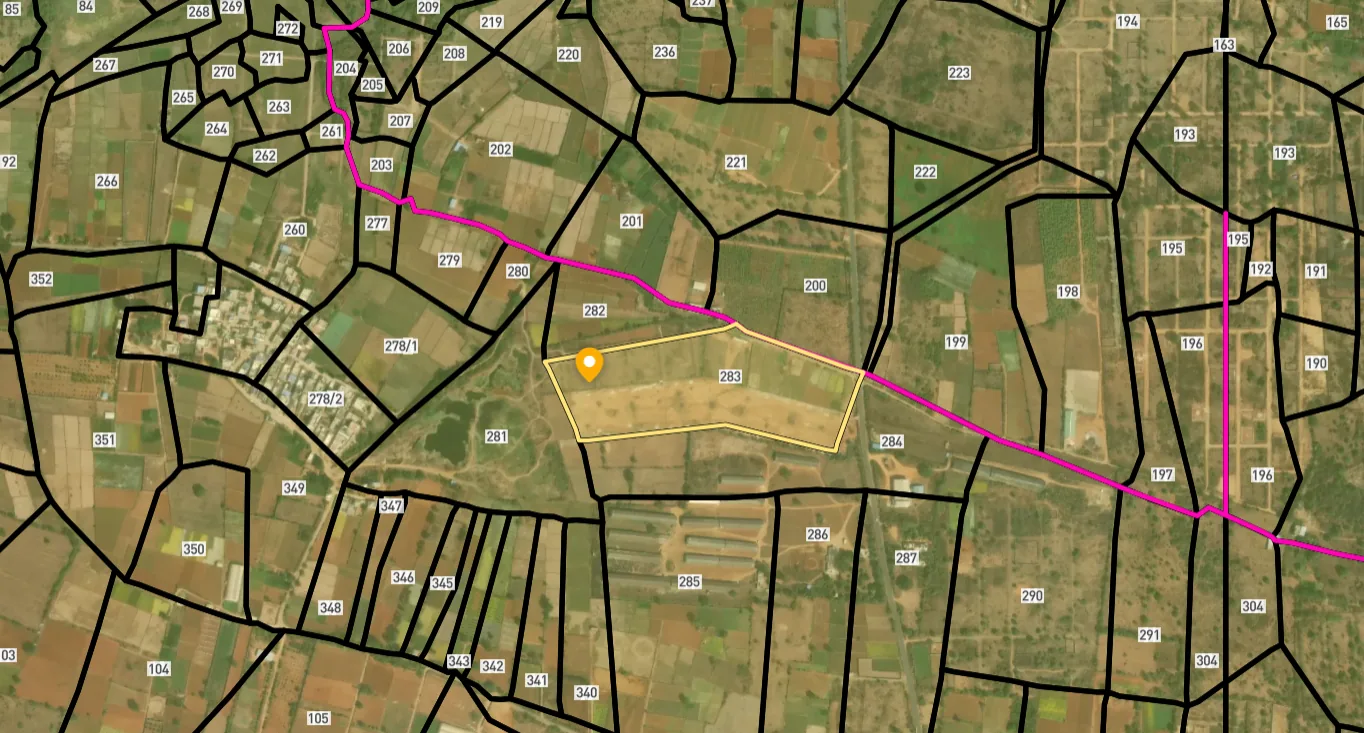
The Mutation Record decides whose name appears in the Goa revenue register and whether the buyer's title chain is complete.
📋
Updates revenue ownership records The Mutation Record carries the buyer's name into Form I and Form XIV after registration
Without it, the previous owner stays on the village register and continues to receive land tax demands.
Manual and digital must match Goa's parallel register system creates real risk
The digital print may show clean ownership while the manual register holds an unresolved objection or partition entry. Verifying both is the only complete check.
🏦
Required for bank loans and resale Banks pull the mutation extract before sanctioning home loans
Future buyers will demand the seller's name on Form I and XIV. Pending or missing mutation kills both loan and resale.
🔍
Goa-specific: Mamlatdar order under the 1968 Code Goa's Mamlatdar issues the mutation order under the Goa Land Revenue Code, 1968
The procedure differs from other States' RoR mutations. Inventory Proceedings under the 2012 Act govern inheritance mutations. Both routes channel through the Mamlatdar.
Red flag: Seller produces only the digital print, refuses to share the manual register copy, or claims pending mutation will be sorted later: walk away. Manual and digital must match. The gap is where hidden claims live.
For Land Buyers

Browse 78+ verified lands & plots in Goa

Every listing goes through our Preliminary Verification Process.

Frequently Asked Questions

What is a Mutation Record Goa?
A Mutation Record Goa, called Hakkache Patra, is the Mamlatdar's order updating Form I and Form XIV ownership records after a Sale Deed, Gift, Partition, Inheritance, or Court Decree under the Goa Land Revenue Code, 1968.
Is mutation the same as registration in Goa?
No. Registration transfers title at the Sub-Registrar. Mutation updates the State's revenue records to reflect the new owner with the Mamlatdar. Both are needed. Registration alone leaves the previous owner on the village register.
How do I check the Mutation Record online in Goa?
Visit goaonline.gov.in and select Department of Revenue, then Mutation or Form I and XIV. Enter survey number, sub-division, village, and Taluka. Pay for the certified copy and download the digitally signed extract.
Why must I check both digital and manual registers in Goa?
Goa runs both systems in parallel. The digital register may not capture older handwritten entries, partition refusals, or pending objections. Manual register entries from pre-2000 are often where third-party claims still live.
How long does mutation take in Goa?
30 to 60 days for routine sale or gift mutations. Inheritance and partition mutations take longer. Inventory Proceedings under the 2012 Act may need to complete first, especially where multiple heirs are involved.
What if mutation is pending in Goa?
Wait. The previous owner remains on the village register. Banks refuse loans, resale stalls, and the buyer's title chain is incomplete. Demand the certified mutation extract before signing the Sale Deed.
Who issues mutation orders in Goa?
The Mamlatdar of the Taluka where the parcel is located, under the Goa Land Revenue Code, 1968. The Talathi or Patel maintains the village manual register. The Mamlatdar issues the mutation order.
What is Hakkache Patra in Goa?
Hakkache Patra is the Konkani and Marathi name for the Mutation Record. Literally meaning rights document, it is the Mamlatdar's order updating ownership in Form I and Form XIV after a transfer.

Other Related Guides

© 2026 - 1acre.in - All Rights Reserved

LinkedIn iconYoutube iconInstagram icon