
Tribal belt and block land in Assam: Chapter X
Above the Patta and the Dag sits a check that can override them both. Where land lies in a notified tribal belt or block, Chapter X of the Assam Land and Revenue Regulation restricts its transfer: land of a protected class cannot pass to a person outside that class, or to a non-resident of the belt or block, without the Deputy Commissioner's permission, which is rarely granted. Separately, Sixth Schedule areas run on their own council law.
What Chapter X does in Assam
Definition
Chapter X of the Assam Land and Revenue Regulation, 1886 constitutes notified tribal belts and blocks to protect certain classes of people. Land of a protected class in a belt or block cannot be transferred to a person outside that class, or to a non-resident of the belt or block, without the Deputy Commissioner's permission, and unauthorised occupants face eviction. Separately, Sixth Schedule autonomous areas run on their own council law. This is a legal overview, not advice; verify the current position with the Circle Office, the Deputy Commissioner and a lawyer.
Chapter X sits above the record because it can void what the Jamabandi shows. A Patta may name a willing seller and the Dag may resolve cleanly, and the deal may still be unlawful, because where the land lies in a notified tribal belt or block, the Regulation restricts to whom protected-class land may pass. Reading the Patta and Dag without asking where the land sits, and who the protected classes are, is to check everything except the thing that can undo the sale.
The mechanism is a class and a place. The state notifies certain classes as protected, and constitutes areas they predominate into belts and blocks, and within those, land of a protected class cannot be transferred to someone outside that class, or to a non-resident of the belt or block, without the Deputy Commissioner's permission. That permission is rarely given, unauthorised occupants of belt or block land face eviction, and the Civil Court's jurisdiction over these matters is barred, so the revenue authorities, not a civil suit, decide them.
Two further layers can apply on top. Sixth Schedule autonomous areas, the Bodoland Territorial Region, Dima Hasao and Karbi Anglong, run on customary law administered by their Autonomous Councils, where an outsider generally cannot buy at all. And recent amendments have added further protected zones. Because the notifications, the protected classes and the amendments change, confirm them for the exact parcel, parties and location, treating belt, block and Sixth Schedule land as restricted until cleared.
Reading the Chapter X restriction
Where the land sits and who the parties are decide the route; read both before treating it as available.
Placing the transfer
Then, and only then
Assam tribal belt and block: where the land sits
The place and the classes set the route. When in doubt, treat the land as restricted until confirmed.
| Where the land sits | Under Chapter X | What it needs |
|---|---|---|
| Outside belt, block, Schedule VI | Not restricted by Chapter X | Ordinary diligence |
| Protected-class land, in a belt | Transfer to outsiders restricted | Deputy Commissioner permission |
| Belt or block, unauthorised use | Occupants face eviction | Lawful possession first |
| Sixth Schedule autonomous area | Runs on council law | Council rules, outsiders barred |
| A recent heritage zone | Transfer further restricted | Confirm the current notification |
Common Assam tribal-land issues, and the fix
Four ways an Assam tribal-land deal goes wrong.
Why a Chapter X breach is void, not just risky
The hardest thing for a buyer to accept is that a Chapter X breach is not a risk that time or possession cures. A transfer of protected-class belt or block land to an outsider without the Deputy Commissioner's permission is void, unauthorised occupants face eviction, and the Civil Court cannot be used to fix it, since its jurisdiction over these matters is barred. A registered deed, money paid, even years on the land, do not create a title the Regulation denies. So treat the Chapter X check as the gate above the record, not a late formality. Place the parcel and establish the classes before the Jamabandi is relied on, and where a transfer is possible at all, insist the Deputy Commissioner's permission exists before any deed is registered or money moves. This is a legal overview and not advice; on any belt, block or Sixth Schedule land, confirm the current notifications and the route with the Circle Office, the Deputy Commissioner and a lawyer familiar with the Assam Land and Revenue Regulation.
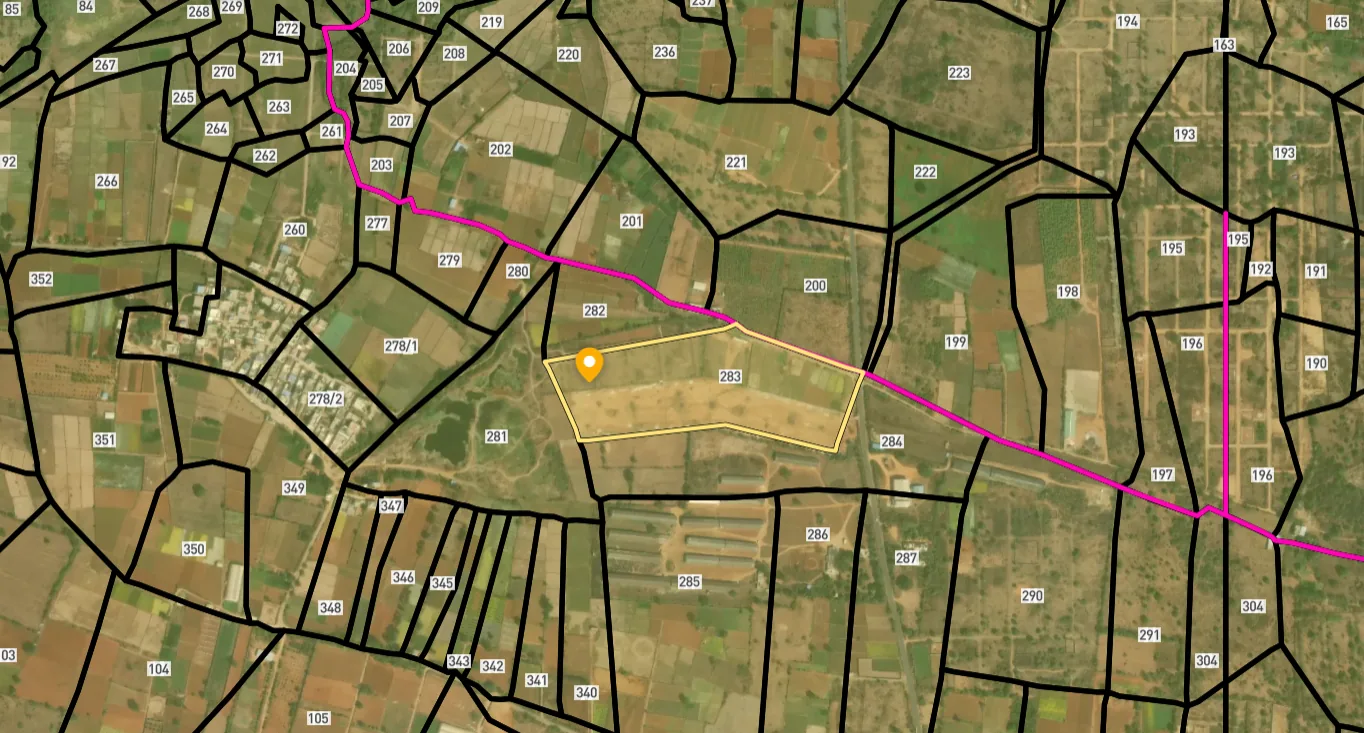
Survey Numbers View on Map Boundaries and numbers come from published state cadastral records. See all map layers.
Looking to sell your land in Assam?
Browse 30+ verified lands & plots in Assam
Frequently asked questions
What is Chapter X in Assam?
Can an outsider buy land in a tribal belt in Assam?
What are the Sixth Schedule areas in Assam?
Does registering the deed make a belt transfer legal?
Who are the protected classes?
How do I check if land is in a belt or block?
Other Related Guides
Jamabandi Assam 2026: How to Check Dag Patta Online
Pull your Jamabandi Assam free on Dharitree. Read Dag, Patta, and land class right. Spot Annual Patta traps and arrears before buying.
Read guide →Dharitree
Every Assam land record service in one place, mapped for buyers.
Read guide →Building Plan Assam 2026: Sanction Guide for Buyers
Building Plan Assam approval comes in two steps. GMDA Planning Permit, then GMC Building Permit. Check if the seller's plan matches the actual structure. 2026 guide.
Read guide →Encumbrance Certificate Assam 2026: Buyer's Guide & Fees
Encumbrance Certificate Assam tells you if the land is mortgaged or disputed. Apply on Sewa Setu, cover 30 years, dodge the hidden-loan trap. 2026 guide.
Read guide →Property Tax Assam 2026: GMC Payment & Nil Dues Guide
Property Tax Assam dues stick to the property, not the previous owner. Get the Nil Dues Certificate before buying. Check GMC holding number, Sewa Setu portal.
Read guide →Legal Heir Certificate Assam 2026: Next of Kin Buyer Guide
Buying inherited land in Assam? You need the Next of Kin Certificate listing every heir. One missing signature can void the deal. 2026 guide here.
Read guide →