Document Guide · Haryana

How to Check Jamabandi in Haryana — Complete Guide 2026

Jamabandi is Haryana's Record of Rights. One document. It shows who owns the land, what type it is, what area is recorded, and whether the ownership is clean. Seller's name must appear in the latest Jamabandi entry. Not the previous one. The latest. This guide covers how to check it, read it, and what to do when something looks wrong.

Quick Reference
Also calledRecord of Rights / RoR / Nakal
Issued byRevenue Department, Haryana (maintained by Patwari)
Valid forUpdated every 4-5 years; individual mutations updated in between
CostFree to view online; certified Nakal copy available at nominal fee
Time takenInstant online access at jamabandi.nic.in
Online portaljamabandi.nic.in
noteLatest Jamabandi entry must be in the seller's name before any land purchase proceeds.
1

What is Jamabandi in Haryana?

Definition

Jamabandi is Haryana's official Record of Rights maintained by the Revenue and Disaster Management Department under the Haryana Land Revenue Act. It records land ownership, classification, area, cultivation details, and legal charges for every plot across the state.

People hear "Jamabandi" and assume it is just an ownership document. It is more than that. It is the revenue record that ties land to a specific person — name, lineage, share — across every village in Haryana. The Patwari maintains it. The Revenue Officer confirms it. It gets fully revised every four to five years as part of the settlement cycle. Between settlements, individual ownership changes are updated through mutations called Intkaal.

The portal is jamabandi.nic.in. Over 1.3 crore digitised land records sit on that system right now. You can pull a Jamabandi Nakal — a certified copy of the record — by searching the owner name, Khasra number, or Khewat number. No office visit needed for the basic check. Free. Available at any hour. That access matters because the Jamabandi is the first thing any serious buyer, any bank, and any lawyer in Haryana checks before a transaction moves forward.

State-specific note: Haryana's Jamabandi updates every 4-5 years. If the seller's name does not appear in the current entry — with a completed mutation — the sale cannot legally proceed without correction first.
2

How to Get Jamabandi in Haryana: Step-by-Step

Online check at jamabandi.nic.in takes two minutes. Certified Nakal needs a login and OTP. Offline certified copy available at the Tehsil HALRIS centre. Keep the Khasra number, Khewat number, or owner name ready before starting.

Online method (recommended)

1
Open the Jamabandi portal Go to jamabandi
nic.in. Click "Jamabandi" from the main menu. Select "Jamabandi Nakal for Checking" from the dropdown.
2
Enter property details Choose District, Tehsil, Village, and Jamabandi Year from the dropdown menus
Then pick your search type: Owner Name, Khewat number, Khasra number, or Date of Mutation. Enter the relevant detail and click Search.
3
Read the Nakal The record displays on screen
Check Column 1 for Khewat, Column 4 for owner names and shares, Column 7 for Khasra plot number, Column 8 for area and land type, and Column 12 for any remarks, encumbrances, or legal claims.
Column 12 Remarks is where mortgages, court stays, and pending legal claims get flagged. Never skip it.
4
Download a verifiable copy Click "Get Verifiable Copy of Nakal" under the Jamabandi tab
Log in with mobile OTP. Enter the same search details. Download the digitally signed copy. This version is accepted by banks, courts, and registration offices.

Offline method (Sub-Registrar Office)

1
Visit the Tehsil office Go to the HALRIS centre at the Tehsil or Sub-Tehsil office where the land is located
Jurisdiction follows the village — not your home district.
2
Request the Nakal Tell the computer operator your Khewat number or owner name
They will pull the Record of Rights for that Khewat and print a certified copy.
3
Pay the fee A nominal fee applies for the certified printed copy
Rates vary by page count. Collect the receipt.
4
Collect the certified Nakal The printout carries an official stamp
This is the version required for court submissions, loan applications, or formal legal proceedings.
Ask for the most recent Jamabandi year — not an older settlement record. Older records will not reflect recent mutations.
3

What Does Jamabandi Contain in Haryana?

Each column in a Haryana Jamabandi Nakal carries specific information — here is what every field means and what to verify.

Field What it means What to check
Account number assigned to a group of co-owners sharing landCheck how many names appear — multiple owners means all must consent to sell Khatauni numberIdentifies the cultivator or possessor of the land
Unique plot number within the village boundaryMatch exactly against the sale deed and physical site location Owner names with lineageFull name, father's name, grandfather's name, and ownership share
Area in Kanal-Marla; classification as irrigated, rain-fed, or barrenVerify area matches seller's claim; barren or non-cultivable classification affects use Cultivation detailsWho is cultivating — Khudkast (self) or Gair Dakhildaar (unauthorised)
Good sign: Latest Jamabandi year shows seller's name alone with no co-owners, Khasra matches sale deed, area is consistent, Column 12 Remarks is blank, and a completed mutation entry confirms the most recent transfer.
4

Common Issues With Jamabandi in Haryana

These problems come up regularly in Haryana land transactions — most of them are avoidable if the Jamabandi is read properly before paying.

Seller name absent from latest entry
The seller bought land in 2008. Registered the deed. Never filed for mutation. The Jamabandi still shows the person who sold to them in 2008. Legally, the revenue record does not recognise the current seller as owner. Banks will not lend. Registration offices will flag it.
Fix: Mutation must be completed before sale. Seller files an Intkaal application at the Tehsil. No shortcuts here — demand the completed mutation certificate before signing anything.
Multiple names on Khewat
Khewat shows four co-owners — all siblings from an undivided family. Seller is one of them. They claim they have authority to sell the whole plot. They do not. All co-owners must sign. One absent co-owner can legally block or later challenge the sale.
Fix: Get written consent — ideally notarised — from every name on the Khewat before proceeding. Better option: insist the partition mutation is completed first, giving the seller their individual Khewat.
Area mismatch between Jamabandi and sale deed
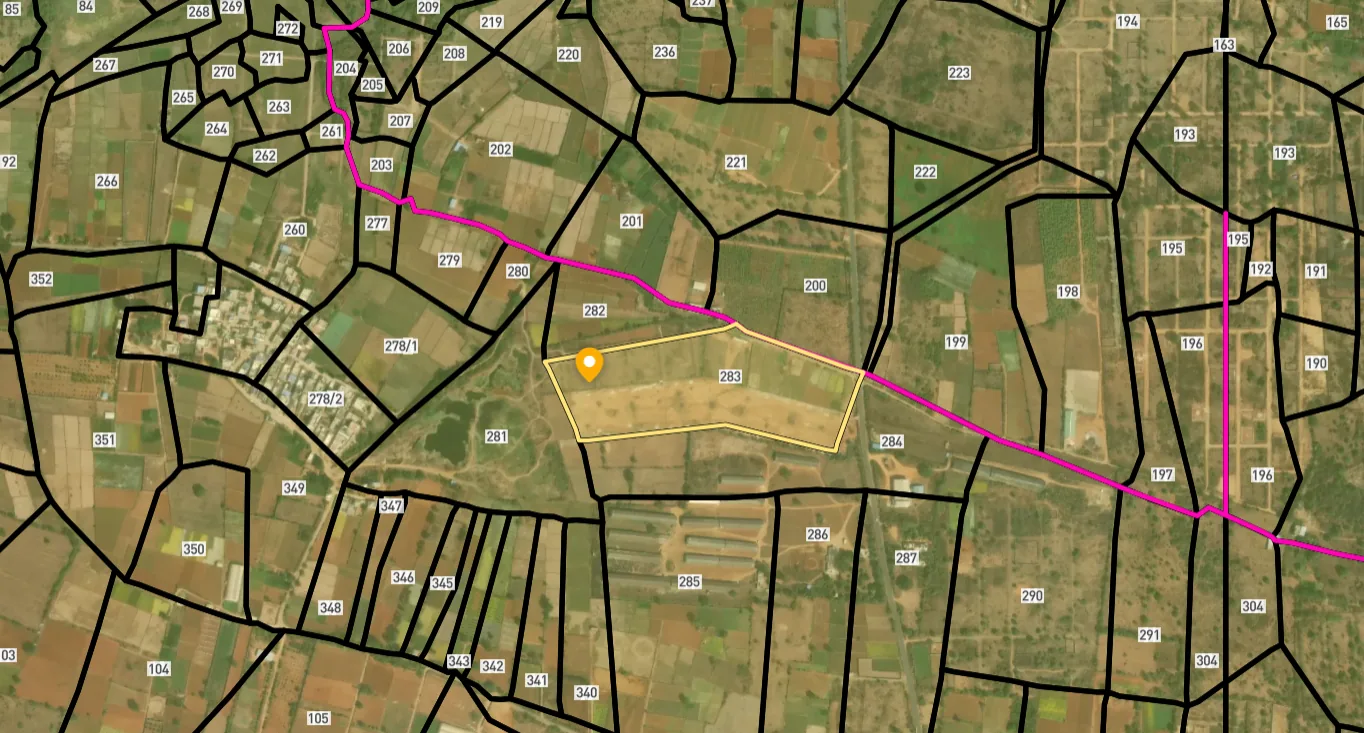
Seller claims 3 acres. Jamabandi shows 2 acres and 14 Kanals — which is actually less once converted. Or the Khasra has been subdivided. A fraction like 100/1 or 100/2 means the original plot was split. Each fraction is a separate entry.
Fix: Match the area figure in Jamabandi against what is on the sale deed and what was physically shown during the site visit. Discrepancy of any amount needs a written explanation from the seller before money moves.
Remarks column shows mortgage or court order
Column 12 is where mortgages get entered. Also court-ordered stays. Also pending legal disputes. An entry there means the land has a charge against it — a bank lien, a dispute, or a government claim. The seller may not mention it voluntarily.
Fix: Pull the Jamabandi yourself on jamabandi.nic.in and read Column 12 before any meeting with the seller. Do not rely on a copy the seller hands you.
Old Jamabandi year shown online
The portal sometimes defaults to displaying an older settlement record rather than the most recent one. Buyer checks, sees the seller's name, assumes it is current. It may be a record from five years ago with mutations since then not visible in that view.
Fix: Always select the latest Jamabandi year from the dropdown explicitly. Then separately check mutation status under the Mutation section on the portal to see if any Intkaal entries followed.
Gair Dakhildaar entry under cultivation column
Jamabandi shows someone other than the owner cultivating the land — listed as Gair Dakhildaar, meaning unauthorised possession. That person may have been there for years. Removing them after purchase can require court proceedings.
Fix: Visit the land physically before purchase. If someone is farming or occupying the plot and their name appears in the Khatauni column, take legal advice before signing anything.
5

Why Jamabandi Matters for Land Buyers in Haryana

Skip the Jamabandi and you are buying on the seller's word alone — that is not how land purchases should work.
📋
It is the primary ownership record Registered deed proves a transaction happened
Jamabandi proves who the revenue system recognises as the current owner. Both matter. But banks, courts, and registration offices in Haryana treat the Jamabandi as the baseline. It needs to reflect the seller before the sale can legally proceed.
Seller name must be current Not from 2015
Not from the previous settlement. The latest entry, with a completed mutation, in the seller's name. That is the standard. A seller whose name does not appear in the current Jamabandi cannot complete a clean registration — at least not without first fixing the mutation gap.
🏦
Banks check it before every loan Every housing finance company and scheduled bank operating in Haryana checks the Jamabandi as part of loan due diligence
If ownership is unclear, the area is wrong, or Column 12 shows a lien — the loan does not get sanctioned. Getting the Jamabandi right before approaching a lender saves the whole process.
🔍
Haryana-specific: incomplete mutations from older sales Haryana has a known problem with incomplete title chains — buyers from the 1980s and 1990s who registered deeds but never completed mutation
Their name never entered the Jamabandi. This makes current sale impossible without a title declaration from the court or an administrative correction process. It is more common in rural tehsils and older peri-urban plots than most sellers admit.
Red flag: If the seller hands you a printed Jamabandi copy and discourages checking the portal yourself, check the portal immediately. Pull the latest year's record directly on jamabandi.nic.in. A seller nervous about the online check has something in that record they do not want seen.
For Land Buyers

Browse 52+ verified lands & plots in Haryana

Every listing goes through our Preliminary Verification Process.

Frequently Asked Questions

What is Jamabandi in Haryana 2026 and why does it matter for land buyers?
Jamabandi is Haryana's Record of Rights. It shows who legally owns a plot, its area, land type, and any charges on it. Before buying any land in Haryana, the seller's name must appear in the latest Jamabandi entry with a completed mutation.
How to check Jamabandi Nakal online in Haryana?
Open jamabandi.nic.in, click Jamabandi, select Jamabandi Nakal for Checking. Choose district, tehsil, village, and year. Search by owner name, Khasra, or Khewat number. Download a verifiable copy after OTP login.
What is the difference between Khewat, Khatauni, and Khasra?
Khewat identifies the ownership account — who owns the land. Khatauni identifies who cultivates or possesses it. Khasra is the individual plot number. All three can differ — and when they do, it signals a possession or tenancy issue worth investigating.
How often is Jamabandi updated in Haryana?
Full revision happens every four to five years as part of the revenue settlement. In between, individual ownership changes are updated through mutations called Intkaal. Always check the latest settlement year and the mutation status separately.
Is Jamabandi alone enough to prove ownership in Haryana?
No. Jamabandi shows who the revenue system recognises. The registered sale deed shows the legal transaction. Both are needed together. Jamabandi without a matching registered deed is incomplete. A deed without a Jamabandi update is also incomplete.
What if the seller's name is not in the current Jamabandi?
Sale cannot proceed cleanly. Seller must first file for mutation — called Intkaal — at the Tehsil office and get the Jamabandi updated. Only after the mutation is sanctioned and reflected does their name appear. Do not pay anything until that step is done.
What does the Remarks column in Haryana Jamabandi show?
Column 12 Remarks records mortgages, bank loans, court stays, and pending legal claims against the property. Any entry there means the land has a financial or legal charge on it. Read this column before anything else when checking a Jamabandi.
How to get a certified copy of Jamabandi in Haryana offline?
Visit the HALRIS centre at the Tehsil office where the land is located. Give the computer operator your Khewat or owner name. Pay the nominal fee and collect the stamped printed Nakal. Required for court filings and formal loan applications.

Other Related Guides

© 2026 - 1acre.in - All Rights Reserved

LinkedIn iconYoutube iconInstagram icon