
Certified khatiyan copy in Jharkhand: the attested record
A screen view of the khatiyan satisfies you; a bank or a court wants an attested copy. Jharkhand issues certified khatiyan copies through JharBhoomi and the Circle Office, and for a loan or a filing the certified grade is what counts. The point to keep hold of is that certifying a khatiyan attests the record, not the ownership: the copy proves what the register says, while title still flows from the registered deed.
Why a certified khatiyan matters, and what it proves
Definition
A certified copy in Jharkhand is the attested khatiyan that banks, courts and offices accept above a free view, available through JharBhoomi and issued by the Circle Office. It certifies the record as it stands, the holder, plots, area and land nature, not ownership, which the registered deed proves. For legal use a Circle Office copy is often preferred to a portal printout. Confirm the issuing route, the grade and the fee before you rely on it.
The free view and the certified copy serve different readers. The online khatiyan is for your own checking, enough to read the land nature and spot a stale name and decide whether to keep going. The certified copy carries the attestation a bank needs to lend, a court needs to admit, or an office needs to act on. When a Jharkhand transaction turns formal, the printout stops being enough and the certified grade takes over.
There are two routes, and they are not interchangeable for every purpose. JharBhoomi can produce a certified copy digitally, which is quick; the Circle Office issues the stamped copy that is often preferred for legal proceedings and bank loans. A loan officer, a court and a registrar may each accept a different grade, so asking which before you apply saves a wasted trip and fee, especially where the record is being used to prove a claim rather than merely to inform.
What a certified khatiyan does not do is prove ownership. It attests that the register records a particular holder, land nature and area, but Jharkhand courts hold that the khatiyan neither creates nor destroys title; where it and the registered deed differ, the deed governs. A certified copy of a khatiyan that names your seller is genuinely useful as a cross-reference, and useless as a substitute for verifying the deed and the land's CNT or SPT status.
How to get a certified copy in Jharkhand
Requesting is simple; matching the copy to the purpose and reading its limits is the safeguard.
Getting the copy
Match to purpose
Jharkhand certified copies: which grade, which use
Match the grade to the purpose, and never mistake a certified record for proof of title.
| Grade | What it is | Where it fits |
|---|---|---|
| Online view | Free on-screen khatiyan | Your own checking only |
| Digital certified copy | Portal-issued attested copy | Many routine and official uses |
| Circle Office copy | Stamped, office-certified copy | Legal use, banks, courts |
| Register-II copy | Attested transaction record | Mutation and chain checks |
| The registered deed | The title document itself | Proof of ownership, always |
Common Jharkhand certified copy issues, and the fix
Four ways a Jharkhand certified copy is misused.
Why a certified copy is not title in Jharkhand
The single most useful thing to understand about a Jharkhand certified copy is its boundary. It proves, with a signature and a date, that the register records a particular holder, area and land nature. It does not prove that the holder owns the land, because in Jharkhand ownership is a matter for the registered deed, and a khatiyan can be perfectly certified while the deed tells a different story. A buyer who banks on the copy and skips the deed has attested the wrong document. So use the certified copy for what it is worth and no more. Take the grade the institution wants, read it against the registered deed on JharNibandhan, and confirm the CNT or SPT position on the side. When the certified record, the deed and the land nature all agree, a Jharkhand title is on firm ground. When they do not, the certified copy is simply an accurate description of a record that cannot, by itself, carry the purchase.
Looking to sell your land in Jharkhand?
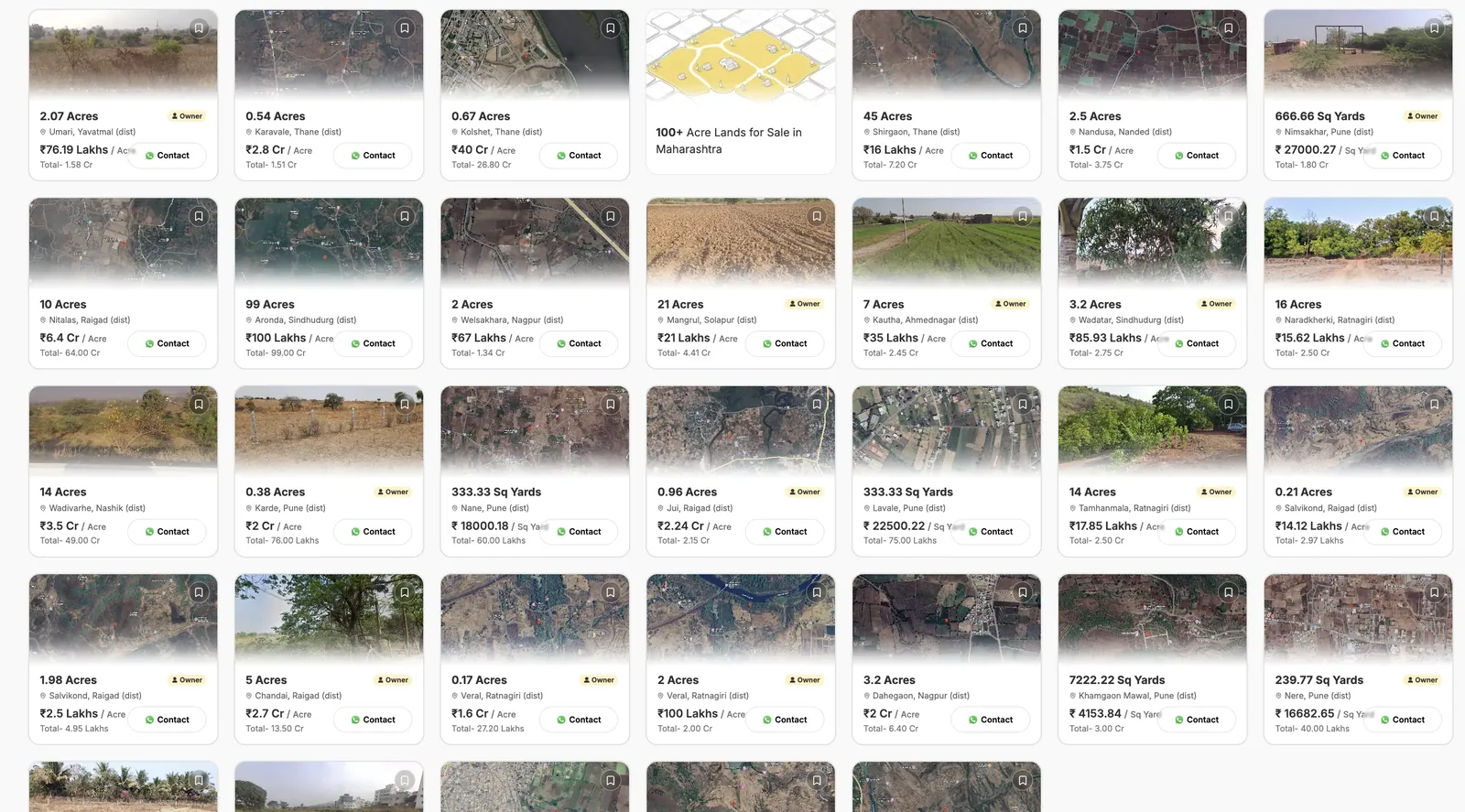
Browse 37+ verified lands & plots in Jharkhand
Frequently asked questions
What is a certified khatiyan copy in Jharkhand?
Where do I get one?
Does a certified khatiyan prove ownership?
Which grade does a bank need?
Does the copy clear the CNT or SPT question?
What does a certified copy cost?
Other Related Guides
Survey Map Jharkhand 2026: Plot Boundaries Check Guide
Check plot boundaries using the Survey Map on jharbhunaksha.jharkhand.gov.in. Verify Khasra number, land extent, and neighbouring plots before buying land in Jharkhand.
Read guide →Forest Land Jharkhand 2026: Check Before You Buy
Check if land in Jharkhand is reserved or protected forest before buying. 29.55% of Jharkhand is forest. Van Vibhag verification process, risks, and buyer guide 2026.
Read guide →CNT SPT Act Jharkhand 2026: Tribal Land Check Guide
Check if land in Jharkhand falls under the CNT or SPT Act before buying. Outsiders cannot purchase tribal land. DC permission rules, Section 46, and Section 71A explained.
Read guide →JharBhoomi
Every Jharkhand land record service in one place, mapped for buyers.
Read guide →Building Plan Approval Jharkhand: Complete Guide 2026
How to get Building Plan Approval in Jharkhand on BPAMS, fees, the 30-day timeline, and why the building must match the sanctioned plan before you buy.
Read guide →Title Deed Jharkhand 2026: Complete Buyer's Guide
Learn what a Title Deed (Mula Deed) is in Jharkhand, how to verify it online via JharNibandhan, what it contains, CNT Act risks, and how to get a certified copy in 2026.
Read guide →