
The Certified Patta Copy in Tamil Nadu
Tamil Nadu draws the same line every careful system draws: looking is free, proving costs a small fee. The e-Services view of a patta powers your homework; the certified copy, issued through e-Sevai centres and the taluk office, powers everyone else's decisions. Banks, registrars and courts act on the second, and timing it right is most of the skill.
Which certified patta copy serves which purpose
Definition
The certified copy is the officially issued patta and Chitta extract, obtained through e-Sevai centres or the taluk office for a small fee, carrying the standing the free portal view lacks. Institutions act on the certified issue; the view exists so you can audit before you pay.
TN adds a wrinkle other states lack: verification as a service. Because any patta document can be checked against its reference on e-Services, the certified copy in Tamil Nadu is less about proving the paper is genuine and more about giving institutions a dated, issued snapshot they can file. The pairing that convinces a lender is the certified copy plus a verification they can run themselves.
What the register holds, the seal repeats. A misspelt holder or a stale extent walks out of the counter wearing authentication, and an authenticated mistake takes longer to undo than a plain one. The sequence is therefore fixed: read the live view, push any correction through the taluk, and let the fee come last.
Institutions read the issue date as part of the document, and that sets the calendar: pull the copy once the patta transfer lands, again after any correction, and once more in the week the loan or registration decision actually happens.
Getting the certified patta copy step by step
Audit, correct if needed, then certify and pair.
The request
Matching the copy to its purpose
What each situation actually needs from you.
| Purpose | Version | Paired with |
|---|---|---|
| Own diligence | Free e-Services view | Nothing; homework needs no seal |
| Bank loan file | Certified, fresh | EC and the verification reference |
| Registration desk | Certified, matching the deed | FMB where subdivisions changed |
| Heirship matters | Certified, current holders | Legal heirship certificate |
| Post-purchase archive | Certified in your name | First tax receipt after transfer |
Common certified copy issues, and the fix
Certified copy problems are record problems wearing a seal.
When the certified patta copy earns its fee
The fee earns itself at predictable moments: when a lender opens a file, when an SRO date is fixed, and in the weeks after your own purchase, when the copy carrying your name starts the archive a future resale will stand on.
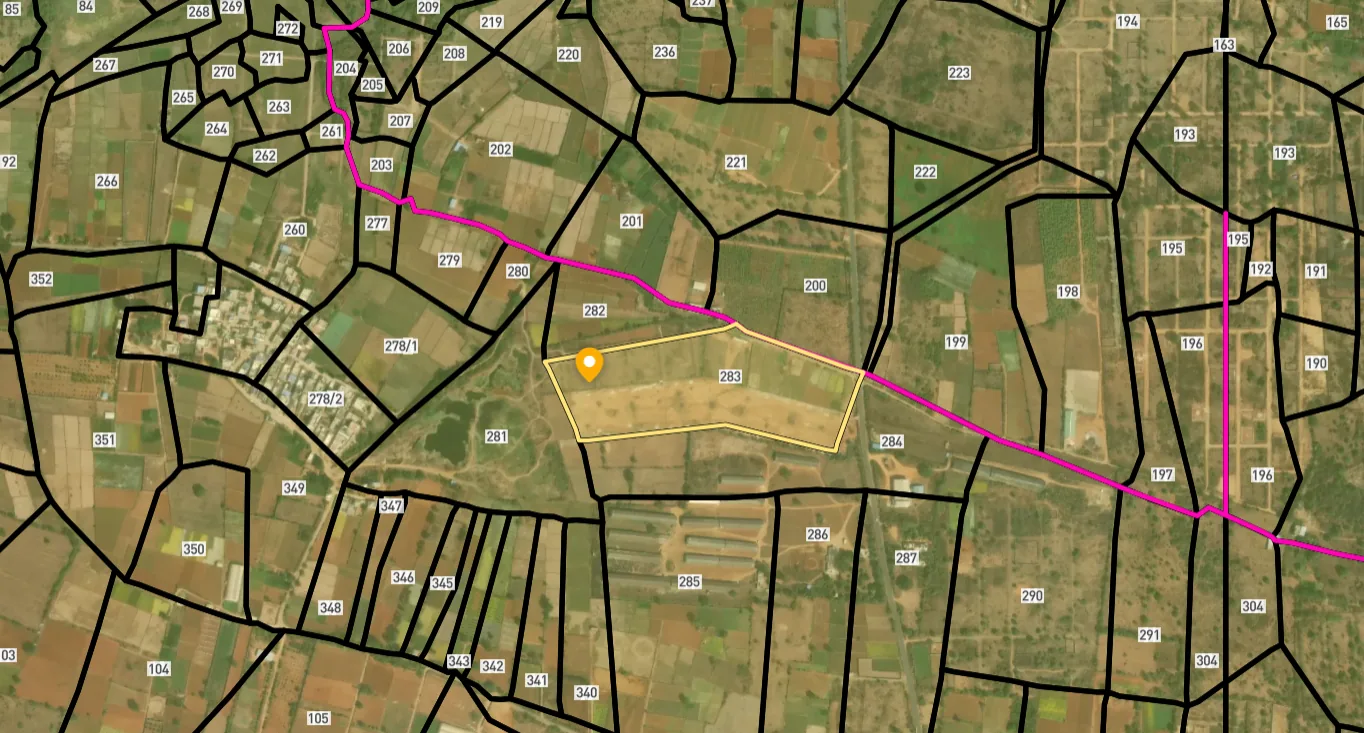
Survey Numbers View on Map Boundaries and numbers come from published state cadastral records. See all map layers.
Looking to sell your land in Tamil Nadu?
Browse 1,300+ verified lands & plots in Tamil Nadu
Frequently asked questions
Where do I get a certified patta copy?
Is the e-Services view not enough?
The certified copy shows an error?
How fresh should the copy be?
Why do lenders want the certified copy for joint pattas?
Certify before or after patta transfer?
Other Related Guides
Panchayat Municipality NOC Tamil Nadu: Guide 2026
Get the Panchayat Municipality NOC Tamil Nadu before any building or layout approval. The Annexure-XVII access road certificate from EO, BDO, or Commissioner is mandatory.
Read guide →Legal Heir Certificate Tamil Nadu: Varisu Apply 2026
Apply for Legal Heir Certificate Tamil Nadu (Varisu) on tnesevai.tn.gov.in. All named heirs must consent to any inherited property sale. Skip the disputed inheritance trap.
Read guide →TNPDCL (TANGEDCO) and TWAD NOC Tamil Nadu: 2026 Guide
Check the TNPDCL (formerly TANGEDCO) and TWAD NOC before buying a plot in Tamil Nadu. Confirm electricity, water and drainage availability upfront.
Read guide →Encumbrance Certificate Tamil Nadu: TNREGINET EC Guide 2026
Apply for the Encumbrance Certificate Tamil Nadu on TNREGINET in 5 minutes. Pull a 30-year EC, decode Form 15, and spot unreleased mortgages before buying.
Read guide →Property Tax Receipts Tamil Nadu: Pay Online Guide 2026
Pay Property Tax Receipts Tamil Nadu online via tnurbanepay.tn.gov.in or GCC portal. Demand a Nil Dues Certificate before any purchase. Skip the inherited tax shock.
Read guide →Sub-Division Sketch Tamil Nadu: How to Apply Guide 2026
Apply for the Sub-Division Sketch Tamil Nadu at the Tahsildar's office. Required for partition, sale of part-survey, and layout plots before registration.
Read guide →