
Patta Chitta: Tamil Nadu's Land Record, Read Right
In Tamil Nadu the patta number works like the land's surname. The Chitta, the Adangal, the A-Register and the FMB all answer to it, and a purchase is really the transfer of that surname from one family to another. TN e-Services puts the Patta Chitta on screen in a minute; knowing which fields carry the deal takes a little longer.
What the Patta Chitta actually establishes
Definition
The patta is Tamil Nadu's record of landholding: the holder's name, patta number, survey and subdivision numbers, extent and classification, with the Chitta details of ownership and land type now served alongside it on TN e-Services, the revenue department's portal. It is the anchor document of every TN land dossier.
Reading it well means reading it as a set. The patta answers who and how much. The classification tells you whether the ground is nanjai, wet land under irrigation, or punjai, dry land, and that single word moves value, water expectations and buildability questions. The A-Register behind it carries the village's full ledger line for the survey number, and the FMB draws its shape.
The survey number in TN comes with subdivisions that matter more than newcomers expect. A parcel described as 214/2B is a different legal object from 214/2, and pattas routinely cover several survey subdivisions at once. Matching the deed's schedule to the patta's survey list, subdivision by subdivision, is where careful buyers earn their caution.
One habit distinguishes TN practice: verification, not just viewing. The e-Services verification tool confirms a patta's authenticity against its reference, which means a document handed over in a negotiation can be tested in the time it takes to type the number.
How to check Patta Chitta on TN e-Services
Free, quick, and worth doing before the first phone call.
Online method
Offline route
The Patta Chitta fields that carry a deal
Six fields do most of the work in Tamil Nadu diligence.
| Field | What it settles | Buyer's follow-through |
|---|---|---|
| Holder name(s) | Who the record recognises | Every joint holder consents, or no deal |
| Patta number | The dossier's anchor | Quote it in every later check |
| Survey no + subdivision | The exact legal parcels | Match the deed schedule line by line |
| Extent | How much ground | Reconcile with FMB and the site |
| Classification | Nanjai or punjai | Value, water and buildability follow it |
| Taluk / village | The record's jurisdiction | Confirms which offices decide |
Common Patta Chitta issues, and the fix
Patta checks fail along four familiar lines.
Why the Patta Chitta opens Tamil Nadu diligence
Everything downstream quotes this record.
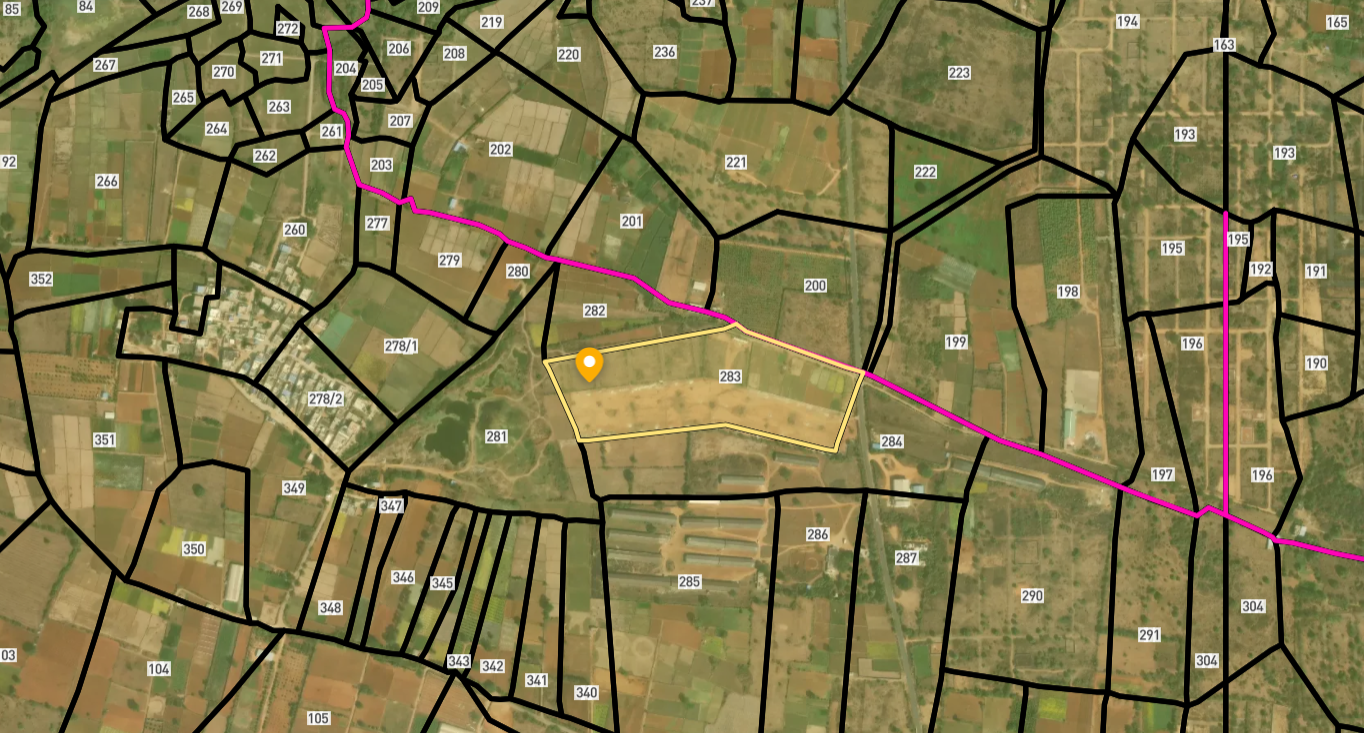
Survey Numbers View on Map Boundaries and numbers come from published state cadastral records. See all map layers.
Looking to sell your land in Tamil Nadu?
Browse 1,300+ verified lands & plots in Tamil Nadu
Frequently asked questions
How do I check Patta Chitta online?
What is the difference between Patta and Chitta?
What do nanjai and punjai mean?
What is a joint patta?
Can I verify a patta someone gave me?
One patta covers several survey numbers?
Other Related Guides
TN e-Services
Every Tamil Nadu land record service in one place, with a guide for each.
Read guide →Encumbrance Certificate Tamil Nadu: TNREGINET EC Guide 2026
Apply for the Encumbrance Certificate Tamil Nadu on TNREGINET in 5 minutes. Pull a 30-year EC, decode Form 15, and spot unreleased mortgages before buying.
Read guide →Property Tax Receipts Tamil Nadu: Pay Online Guide 2026
Pay Property Tax Receipts Tamil Nadu online via tnurbanepay.tn.gov.in or GCC portal. Demand a Nil Dues Certificate before any purchase. Skip the inherited tax shock.
Read guide →Panchayat Municipality NOC Tamil Nadu: Guide 2026
Get the Panchayat Municipality NOC Tamil Nadu before any building or layout approval. The Annexure-XVII access road certificate from EO, BDO, or Commissioner is mandatory.
Read guide →Building Plan Approval Tamil Nadu: Sanction Guide 2026
Apply for Building Plan Approval Tamil Nadu through onlineppa.tn.gov.in. Verify plan matches structure before buying. CMDA, GCC, DTCP routes explained.
Read guide →CRZ Clearance Tamil Nadu: TNCZMA Coastal Guide 2026
Verify CRZ Clearance Tamil Nadu through TNCZMA before buying coastal plots in Chennai, Rameswaram, or Kanyakumari. Check NDZ, HTL, and zone category.
Read guide →