
Khatauni: What It Is and Why Mutation Matters
A khatauni is the village account record of every plot an owner holds, and it does not update itself after a sale, so buyers must apply for mutation.
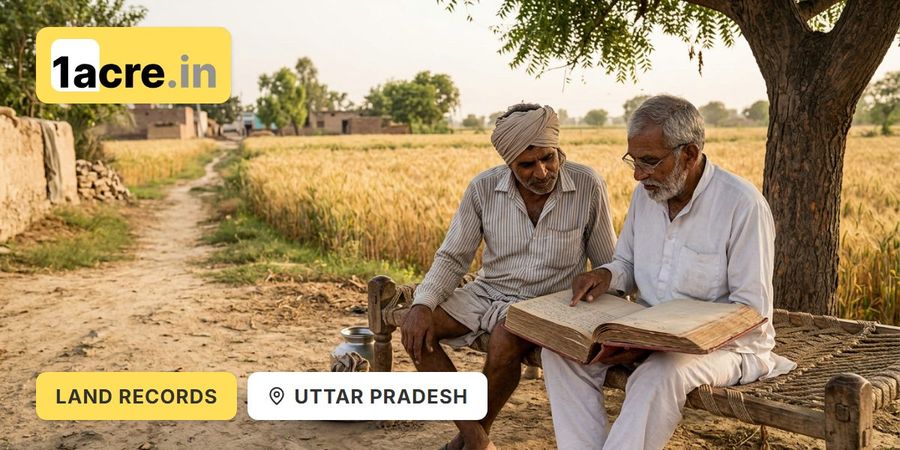
- A khatauni is the account-level land record consolidating everything a person owns within a village, and it's a core revenue record in states like Uttar Pradesh and Uttarakhand.
- Registering a sale deed does not automatically update the khatauni, buyers must separately apply for mutation.
- Property tax and revenue demands continue in the previous owner's name until mutation, called Dakhil Kharij in several states, is completed.
- Courts treat khatauni entries as evidence of fiscal liability, not conclusive proof of title, a distinction buyers often miss.
- Transcription errors and incomplete mutation orders are common in khatauni records, and each has a defined correction route through the Tehsildar's office.
What a Khatauni Is
A khatauni is the official, account-level land record maintained by the Revenue Department in Uttar Pradesh and several other northern and central Indian states, consolidating every plot a specific person or family holds within a village under one account. The name comes from "khata," meaning account, and that's a fair description of what it actually is, a running statement of landholding rather than a description of any single plot.
Buyers frequently mix up the khatauni with a khasra, which identifies one specific plot by its survey number, boundaries, and cultivation details, rather than a person's overall holdings. The khatauni groups those individual khasra entries under the owner's name. There's also a difference between mutation and registration: registration at the Sub-Registrar's office legally transfers ownership through a sale deed, while mutation is the separate step that updates the khatauni to reflect that new owner. Regional equivalents include Patta in Tamil Nadu and Pahani in Andhra Pradesh and Telangana, though the underlying purpose stays the same across states.
What a Khatauni Shows
A khatauni entry typically lists specific details tied to land ownership and revenue liability. It covers:
Owner's name: the person or family currently recorded as holding rights to the land.
Khata number: the account number under which all the owner's plots in that village are grouped.
Linked khasra numbers: every individual plot associated with that owner's account.
Land classification: whether the land is agricultural, and details on soil type or cultivation status.
Revenue and tax liability: the basis on which property tax and land revenue are assessed against the recorded owner.
Why Updating the Khatauni Matters for Property Transfer
A registered sale deed confirms legal ownership has changed hands, but it does not by itself update the revenue department's khatauni. These are two separate systems run by two separate authorities, and updating one does not automatically update the other, which makes mutation a necessary follow-up step after every property transfer.
This matters at a few distinct points:
Pre-purchase: checking the seller's khatauni entry alongside the khasra to confirm they genuinely hold the land being sold.
At registration: understanding that registering the sale deed is only the first half of formalising land ownership.
Post-purchase: applying for mutation so revenue and property tax records reflect the buyer, not the previous owner.
How the Khatauni Mutation Process Works
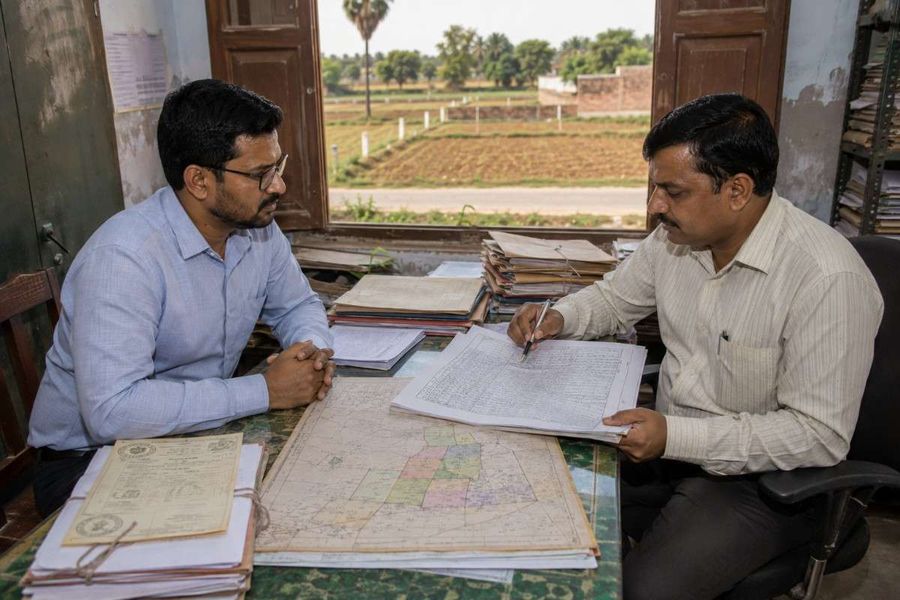
Mutation, called Dakhil Kharij in Uttar Pradesh and Uttarakhand, is the formal process that updates the khatauni after a sale, inheritance, or other transfer. The buyer starts by filing an application with the registered sale deed, Aadhaar, and the previous khatauni copy at the Sub-Divisional Magistrate or Tehsildar's office.
From there, revenue department staff verify that the sale deed details match existing land records. Once verification is complete, the SDM or Tehsildar passes a mutation order approving the change, and the new owner's name is entered into the khatauni during the next update cycle by the local Patwari or Lekhpal. Status can be tracked online through the relevant state's Bhulekh portal throughout this process.
Mutation typically takes a few weeks to a couple of months depending on the state and how complete the submitted documents are. Costs are generally limited to nominal application and processing fees rather than a percentage-based charge.
Regulatory Red Flags
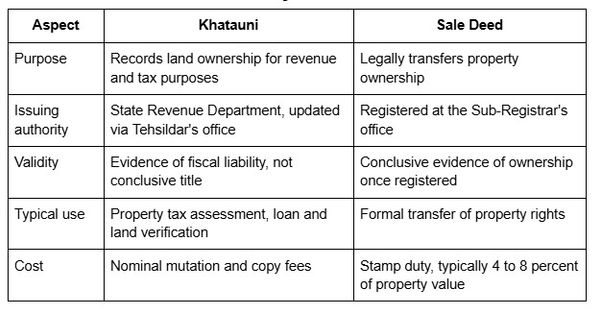
Khatauni vs Sale Deed: Key Differences
The khatauni and the sale deed serve different functions in the same property transfer. The sale deed is what actually changes legal ownership, while the khatauni is what the revenue department relies on afterward for its records of who holds the land and for property tax assessment, which is why both need to be checked together rather than one in place of the other.
Is a Khatauni Reliable or Valid
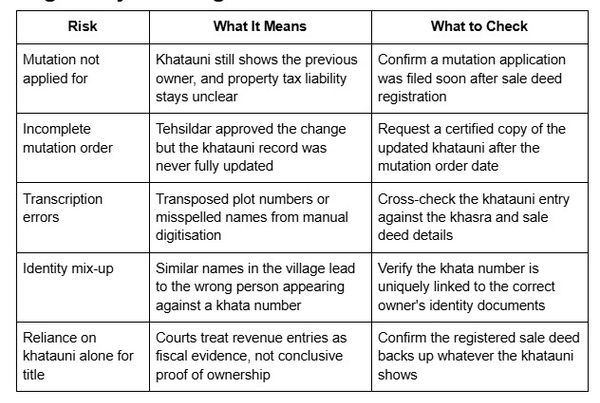
A khatauni carries real weight for property tax and revenue purposes, but it comes with limits buyers should keep in mind. Older records, especially those digitised from handwritten registers, often carry transcription errors like transposed plot numbers or misspelled names. Incomplete mutation orders are another common issue, where an order was approved but the underlying record was never fully updated. Buyers should also remember that the Supreme Court has repeatedly held, in cases such as Sawarni v. Inder Kaur, that mutation and revenue-record entries serve a fiscal purpose and do not by themselves create or confirm title, so an updated khatauni supports a land ownership claim but doesn't substitute for a registered sale deed.
How 1acre.in Supports Khatauni Verification
Cross-checking a khatauni against the khasra, sale deed, and mutation records takes time, and that gap is where many rural land buyers run into trouble later.
Verified Listings: 1acre.in surfaces land listings with pre-checked khatauni and khasra records, so buyers start with a cleaner view of actual land ownership.
Document and Compliance Guidance: the platform helps buyers understand what a correctly updated khatauni should show and flags mismatches against the sale deed or khasra.
Expert and Advisory Support: buyers get guidance on filing mutation applications, tracking status through state Bhulekh portals, and resolving khatauni errors through the Tehsildar's office.
Pre-Purchase Checklist
Cross-check the seller's khatauni entry against the khasra number for the specific plot.
Confirm no pending mutation or unresolved dispute is attached to the land ownership record.
Verify property tax demands are currently addressed to the correct, recorded owner.
Apply for mutation immediately after registering the sale deed for the property transfer.
Track mutation status through the relevant state's Bhulekh portal until completion.
Obtain a certified khatauni copy from the Tehsildar's office for any legal or loan use.
Conclusion
A khatauni does not update itself after a sale, and that gap between a registered deed and an updated revenue record is where many land buyers face avoidable disputes later. Following through on mutation promptly is what actually connects the legal transfer to the government's own record of who holds the land and who owes the property tax.
-900x600.jpg)



-900x600.jpg)
-900x600.jpg)