UDR Patta vs Regular Patta: What the Registry Update Means
In Tamil Nadu, a UDR patta sits in the digitised revenue record, while a regular patta is the older handwritten one. Know which you hold before a sale or loan.
Learn how UDR Patta differs from Regular Patta, why mismatches happen, and how to verify your title.
- UDR Patta came out of a state-wide land record modernisation drive that started in the 1980s, replacing handwritten manual records with updated ones that were computerised later.
- UDR stands for Updating of Revenue Records, sometimes called Updating of Registry, and it covered the full document cluster: Patta, Chitta, A-Register, and FMB, not just the ownership records.
- Regular Patta remains legally valid, but it creates real friction at banks, sub-registrar offices, and courts because the old entries no longer line up with current digital databases.
- The UDR digitisation brought its own set of problems: fraudulent name insertions, wrong survey sub-divisions, and classification errors that the CAG later flagged at scale.
- Mismatches turned up in 61% of sampled villages between digitised records and the physical A-Register, so checking eservices.tn.gov.in is worth doing before any transaction.
What UDR Patta Actually Stands For?
A UDR Patta is a patta created or updated under the Updating of Revenue Records initiative, the state government's UDR program in the 1980s. You'll see the "U" expanded two ways: Updating of revenue records and updating of the registry both point to the same scheme.
The acronym matters less than what the exercise actually touched. This wasn't a simple renaming project. It was a full resurvey and re-recording of village land documents: ownership entries in the A-Register, Chitta classification, field measurement book sketches, and the patta itself.
Once all of that was recorded and later linked to a computerised system, the resulting pattas carried the UDR label.
How Regular Patta and UDR Patta Differ in Practice?
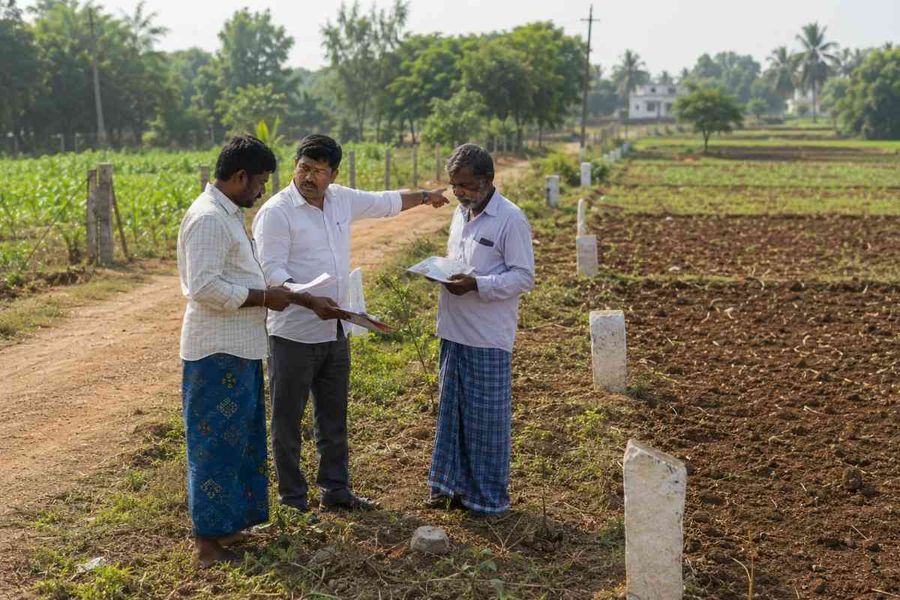
A Regular Patta isn't a separate legal category; it's simply a patta issued before UDR, recorded by hand in the VAO's (Village Administrative Officer) register, and never migrated to the computerised system. Both confirm revenue ownership.
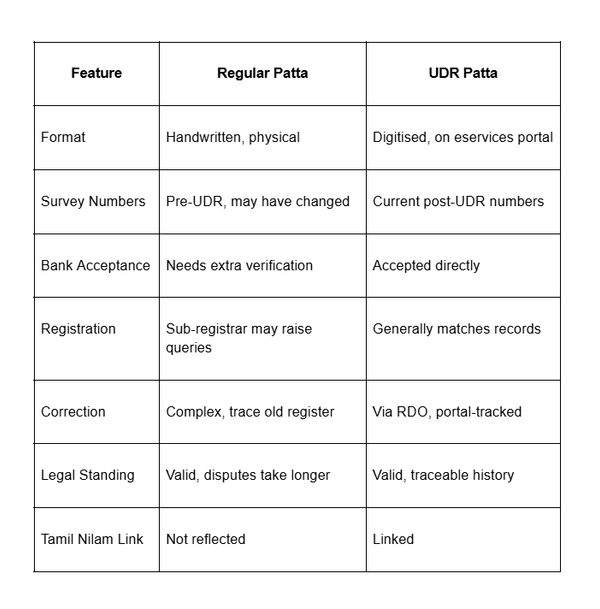
What the Updating of Registry Exercise Actually Changed?
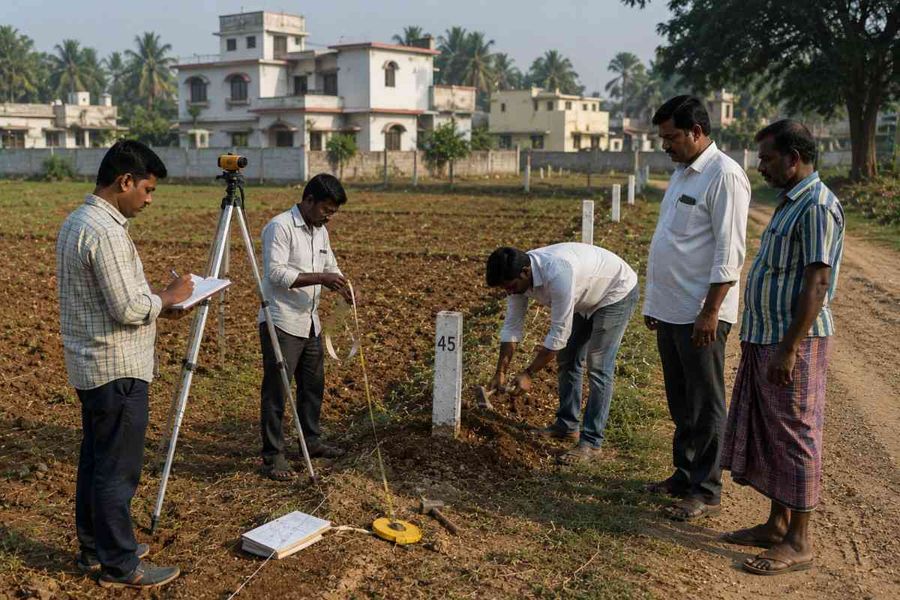
Between 1985 and 1987, new survey and subdivision numbers went out.
FMB sketches were redrawn against current measurements. Ownership entries in the A-Register got transcribed from the old Karanam records into a computerised database.
Take a patta from 1960 with Survey Number 45/2. That number may have been reassigned during UDR as 45/2A, or split into 45/2A and 45/2B.
The pre-UDR patta you're holding might reference a number that no longer exists in the current system. Try to register a sale or apply for a loan, and that mismatch turns into a reconciliation process that eats weeks.
The CAG later found mismatches between digitised records and physical A-registers in 61% of sampled villages.
The same CAG audit, for the year ended March 2021, found about 3.22 lakh private land parcels wrongly classified as government land in the computerised records, which left their owners unable to transact on TamilNilam.
The Errors That Came With the Update
Two distinct problems came out of the UDR exercise: clerical mistakes and fraudulent name insertions.
Clerical errors happened because transcribing decades of handwritten records into a digital system, done fast across thousands of villages, produced mismatched names, transposed survey numbers, and wrong classifications.
Land recorded as "nanjai" in the physical register might show up as "punjai" digitally. A name spelled one way in the sale deed might appear differently in the UDR patta.
Tenants, encroachers, and third parties got their names slipped into UDR pattas for land they didn't own, sometimes with help from revenue officials.
Courts have dealt with this repeatedly; cases in the CaseMine judicial database show genuine landowners discovering a stranger's name in their UDR patta years later, forced to approach the District Revenue Officer to cancel the entry.
A January 2016 PIL (Public Interest Litigation) before the Madurai bench of the Madras High Court alleged discrepancies in the records updated under the 1985-1987 UDR (Updating of Revenue Records) resurvey, made worse when the records were computerised in 2003; the bench issued notice to the Revenue Secretary.
Before a listing is published, 1acre.in performs preliminary document verification by cross-checking submitted records with available government land record sources. This helps identify common inconsistencies before buyers proceed with detailed legal due diligence.
What UDR Patta Means for Transactions Today?
For most purposes, having a UDR Patta, one reflected in the digital database with matching survey numbers, owner name, and extent, is now the baseline expectation at every stage of a Property transaction.
Banks and financial institutions commonly verify the patta before approving home loans, crop loans, or loans against property.
A Regular Patta triggers a longer verification chain because the legal team has to trace the pre-UDR record forward into the current system.
Sub-registrars check patta records at registration too, and if the survey number on the sale deed doesn't match the eServices portal, registration gets delayed or objected to.
How to Verify and Correct UDR Patta Records
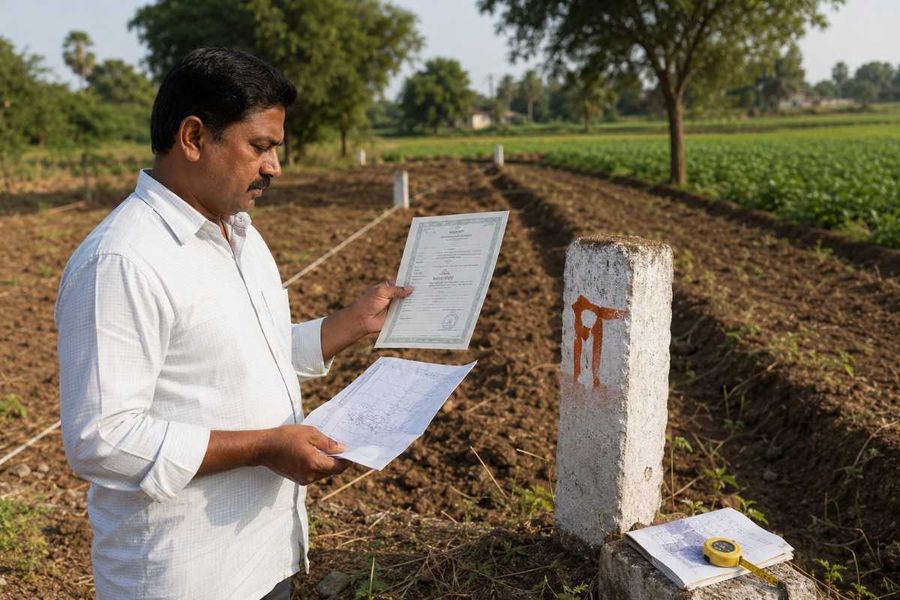
Start at eservices.tn.gov.in. Enter district, taluk, village, and survey number to pull the current patta-chitta extract. Check owner name, survey sub-division, extent, and classification against your sale deed and manual patta, if one exists.
Then run the same check on the official land records portal. Errors visible there, even when your offline documents are clean, can trip up automated verification down the line. Catching a discrepancy early gives you time to fix it before it blocks a deal.
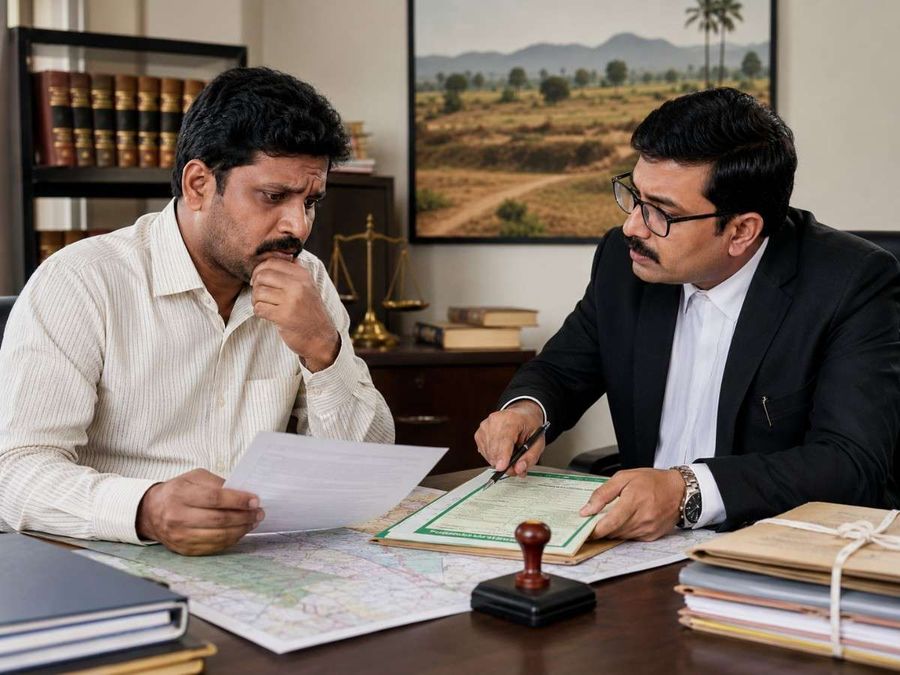
If a wrong name shows up in your UDR patta, file a written representation with the revenue authority, backed by your sale deed, encumbrance certificate, and original patta.
The revenue authority escalates to the revenue divisional officer, and the district revenue officer holds final authority on UDR corrections. Where fraud is involved, a court declaration may be needed to null the entry before correction can proceed.
Conclusion
A UDR Patta and a Regular Patta both confirm the same thing, revenue ownership; they just carry that confirmation through different systems. One sits in digital records with current survey numbers and a traceable correction history. The other is a valid but older document that increasingly needs extra reconciliation at banks, registration offices, and courts.
Neither type guarantees your property rights are airtight. The UDR update and the digitisation that followed fixed the format problem but introduced their own errors, some clerical, some fraudulent, and both still surface in landowners' records decades later. A practical way to reduce risk is checking your patta against both the eServices portal and the Official Land Records portal before you register, sell, or borrow against it.
Before any transaction, leverage the 1acre.in platform to secure your interests:
Search Verified Listings: Focus on land that has already cleared 1acre’s preliminary document checks.
Overlay Maps: Pull up the survey number on our geospatial layers and see it against verified listings and masterplan zones in the same view.
Direct Owner Connect: Skip the broker and call the seller directly to ask about their patta, survey number, and supporting documents.
Final Due Diligence: Always take the documents to a qualified lawyer for a full title opinion before you register.
-900x600.jpg)
-900x600.jpg)