
Lal Dora and Abadi Deh Land: What Buyers Should Know
Understand what Lal Dora and Abadi Deh land classifications mean, the real risks, and how to verify before investing.
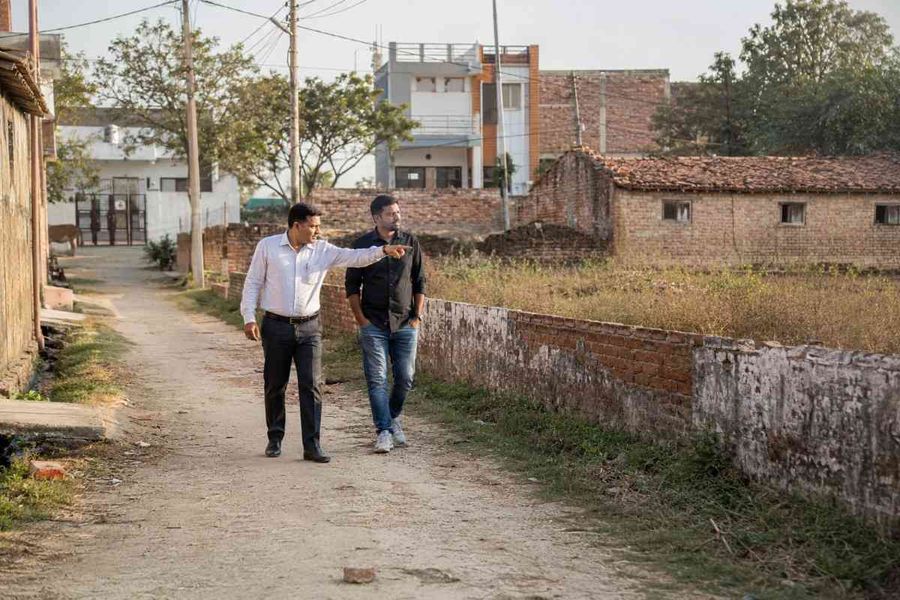
- Lal Dora and Abadi Deh usually point to the same category of land, the village habitation area, although the terminology and legal treatment can vary across states.
- Many Lal Dora areas historically developed outside standard municipal building bylaws, although later planning regulations and regularisation schemes may now apply.
- The trade-off is stark: significantly lower prices in prime, central locations against unclear title history and limited legal protection.
- Buying, selling, and registering Lal Dora property is possible, but only under specific conditions most casual buyers overlook.
- Treating this as a genuine investment property requires a verification process well beyond what a standard purchase demands, one where understanding land data and documentation, a core mission of platforms like 1acre.in is essential before committing.
What Lal Dora and Abadi Deh Actually Mean?
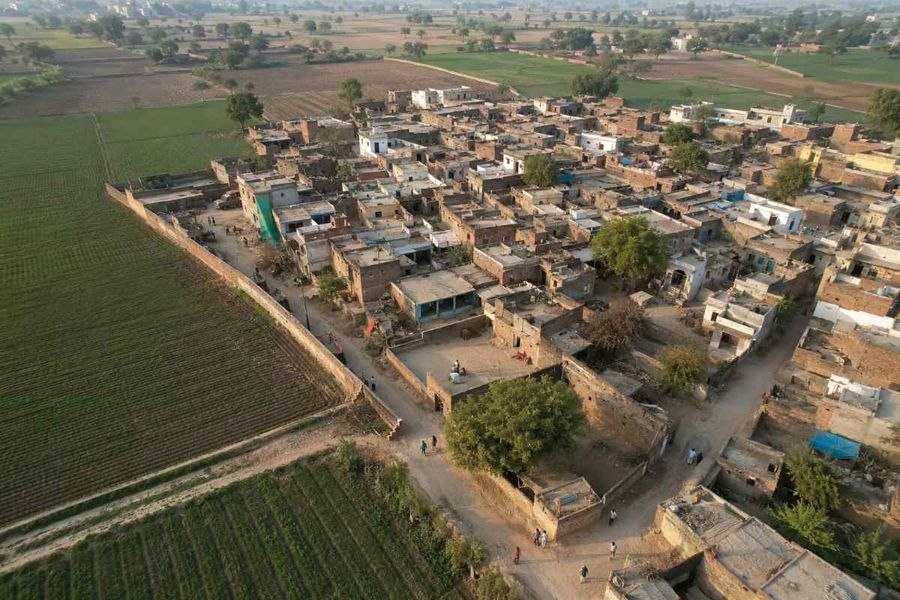
Lal Dora, literally red line, refers to land demarcated in village revenue records to separate residential areas from agricultural land, a classification dating back to the colonial period, when village habitation zones were marked with a red boundary on maps.
Abadi and Abadi Deh describe essentially the same concept through India's revenue terminology, the Abadi area is the village habitation zone itself, the part of village land extending beyond farmland where residents actually live and maintain their support structures.
Under British rule in 1908, this red line was drawn specifically to separate the population of the village from surrounding agricultural land, and revenue departments were tasked with maintaining this distinction going forward. Whether a document calls it Lal Dora or the Abadi Deh area, both terms point to the same underlying land category, village residential space operating under a different rulebook than either farmland or formally planned urban colonies.
Why Lal Dora Areas Sit Outside Normal Property Rules ?
This is the defining feature that shapes everything else about these properties. Lal Dora areas were exempt from building and zoning regulations, an exemption that allowed residents to construct homes and structures without obtaining building permits or adhering to codes that would otherwise apply.
A house built inside a Lal Dora boundary decades ago, without any formal building sanction, isn't automatically an illegal structure, it's operating under a genuinely different regulatory framework that predates modern municipal planning. That's a meaningfully different situation from unauthorised construction in a regular colony, even though the two can look similar from the outside.
The Real Trade-Off
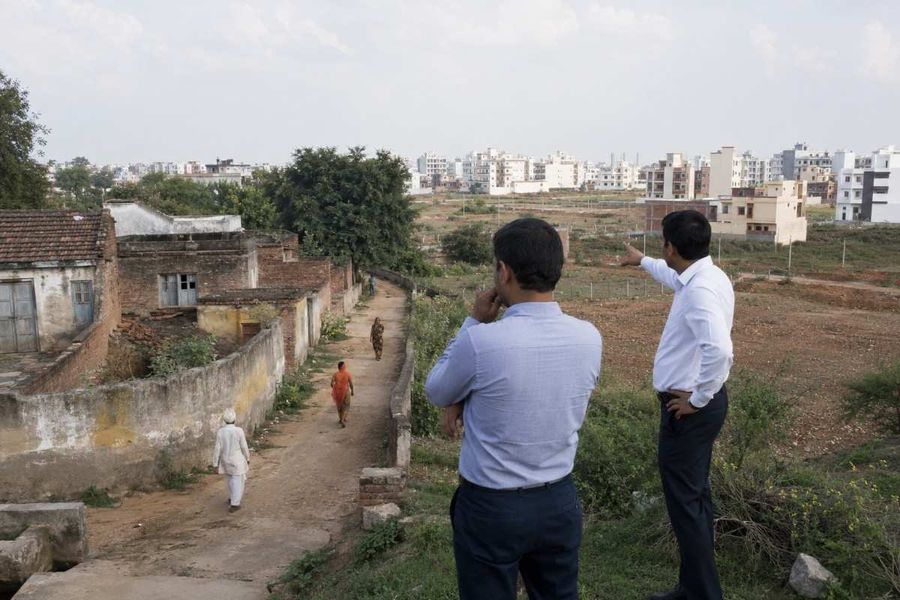
Certain jurisdictions have historically provided limited property tax concessions under specific conditions. Areas like Khirki, Munirka, Chhatarpur, and parts of Rohini have seen substantial buyer interest precisely because they pair lower prices with proximity to prime urban zones.
But the pitfalls run just as deep; Lal Dora plots typically aren't documented formally, and the land sits outside municipal construction norms, restricting the legal safeguards a buyer would otherwise expect.
Can You Actually Buy, Sell, and Register This Land?
Selling a Lal Dora property is legally possible, but bound by specific conditions rather than working like a standard transaction. A seller needs verified proof of ownership through inheritance, mutation, or prior registered transfers, and in some jurisdictions, approval from the Tehsildar, Sub-Divisional Magistrate, or Municipal Authority is required before the sale proceeds. The property also needs to be free of litigation or encroachment disputes.
Registration follows a similarly conditional path, possible where the property is subject to specific state policies covering village land and building regulations, but it isn't automatic the way registering a standard freehold plot would be. Intra-family and village-level sales tend to move relatively smoothly, sales to third-party outside buyers, particularly in areas marked for urban expansion, invite considerably more scrutiny.
Regulatory Red Flags
Unclear or incomplete ownership chains are the single biggest risk, since informal transfers over generations often leave gaps that don't surface until a buyer tries to sell. No approved building plans mean any construction dispute is harder to resolve through the usual municipal channels.
Limited access to standard municipal services in many areas can affect both livability and resale value. And in Haryana, where the Haryana Abadi Deh (Vesting, Recording and Resolving of Ownership Rights) Act, 2025 applies, an uncorrected error in a draft SVAMITVA survey entry can complicate mutation, inheritance, or a future sale.
Lal Dora Property vs Regular Freehold Property
Purpose: The Lal Dora property houses long-standing village habitation under revenue records; freehold property is formally registered under standard municipal and land laws.
Issuing authority: Lal Dora status traces to village revenue records and the Revenue Department; freehold title comes through registered sale deeds and the Sub-Registrar.
Validity: Lal Dora ownership often rests on possession and informal transfer history; freehold ownership rests on a clear, registered title chain.
Typical use: Lal Dora suits buyers prioritising low entry cost and central location over documentation certainty; freehold suits buyers prioritising financing and resale liquidity.
Cost: The Lal Dora property runs significantly cheaper upfront, but carries hidden cost through limited financing and resale friction; freehold carries the full market price with fewer downstream complications.
Is This a Reliable Investment?
Anyone considering Lal Dora land purely as an investment needs to weigh a structural limitation, banks rely on clear title documentation to issue loans, and since Lal Dora properties often lack standardised records, most lenders are reluctant to finance such purchases.
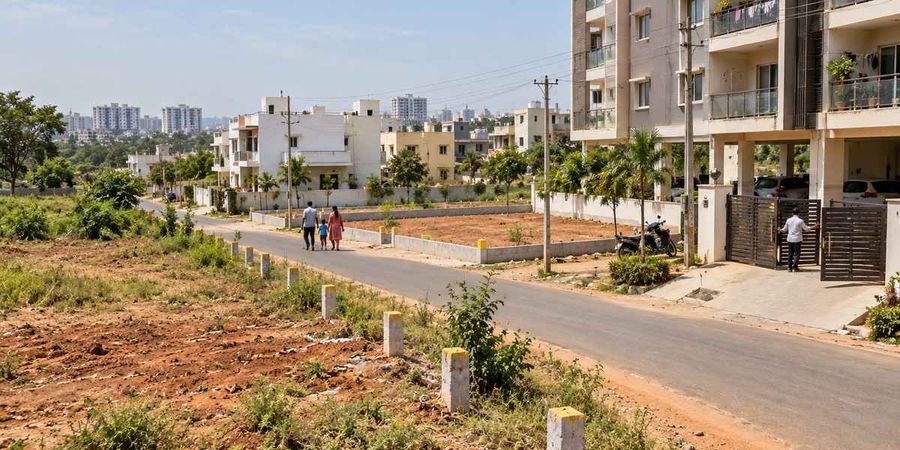
This follows the property forward, since future buyers face the same obstacle, directly limiting resale liquidity. The upside some investors bet on is redevelopment potential, with prices rising in fully authorised areas while Lal Dora prices stay comparatively low, but that's a speculative bet on future policy, not a guaranteed outcome.
While 1acre.in primarily focuses on agricultural and raw land, we believe transparency is the key to safe investing. Our extensive educational guides on village revenue records, mutation, and land titles help buyers understand the underlying principles of land ownership, empowering them to conduct better due diligence in complex markets like Lal Dora.
Verification Checklist
Obtain the Lal Dora or Abadi Deh certificate from the Revenue Department confirming location and ownership connection, remembering it isn't equivalent to a registered title deed. Trace the ownership chain as far back as records allow, checking for gaps or competing claims.
Confirm whether the plot sits inside the notified Lal Dora, in an extended Lal Dora area or in an unauthorised colony, since regularisation schemes such as PM-UDAY in Delhi cover notified unauthorised colonies, a separate category. Check for pending litigation or encroachment complaints. Verify the draft SVAMITVA survey entry or property card directly through the official state e-governance portals.
Conclusion
Lal Dora and Abadi Deh land offers real affordability and location advantages, but the documentation gap is genuine, not a formality to skip past. Verifying the certificate, ownership chain, and regularisation status before buying is what separates a calculated bet from an avoidable dispute.
-900x600.jpg)
-900x600.jpg)
-900x600.jpg)