
How to Check If a Plot Is Legally Safe to Buy in India
Legal verification of land before buying a plot means checking the title chain, encumbrance certificate, zoning and survey boundary before you pay.
Complete guide to legal verification of land in India covering title chains, encumbrance certificates, zoning rules, RERA exemptions, survey checks.
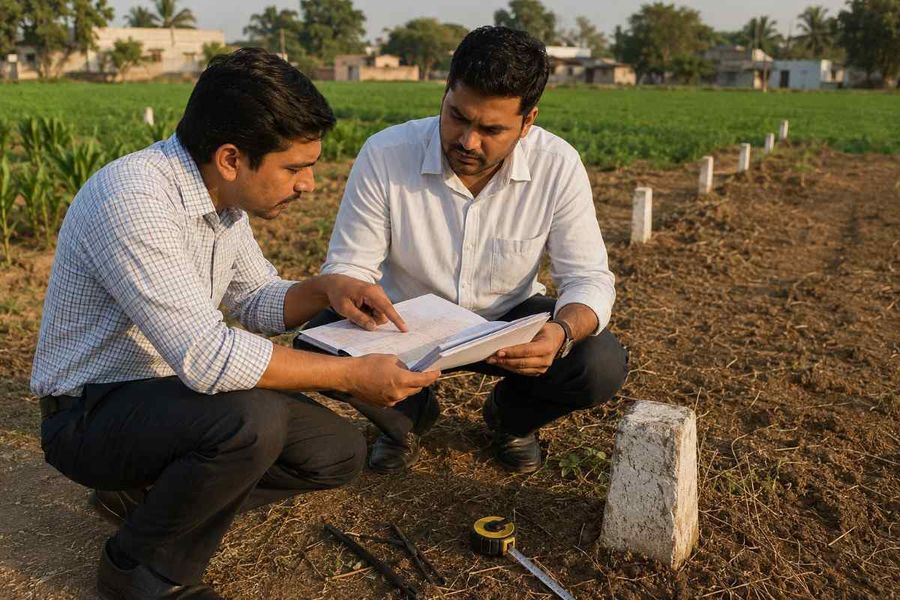
- No builder, no bank, and no RERA registration is checking a plot for you. Legal verification of land before buying is entirely your job.
- The title chain going back 30 years proves a seller can sell. The sale deed alone proves little.
- An encumbrance certificate only catches registered transactions. Equitable mortgages and court cases need separate searches.
- ULPIN, the 14-digit parcel ID, catches an altered survey number.
- These checks cost a few thousand rupees. A disputed title costs years.
Why Legal Verification of Land Matters More for Plots
Buy a flat and a builder, a lender, and usually a RERA registration have each done a slice of the checking before you arrived. Buy a plot, and none of that happened.
Vacant land also carries a messier past. It gets split among siblings after a death, handed over inside a family, or converted from farmland in 2009, with the paperwork never catching up.
Each moment is a place a defect could have entered the record and stayed. Legal verification of land before buying is finding them before you pay.
Start With the Title Chain, Not the Latest Sale Deed
A sale deed tells you who holds the land. It says nothing about whether the person before them had any right to hand it over, and that gap is where most disputes begin.
Ask for the Mother Deed, the document that first established ownership, then trace every sale, gift, partition and inheritance forward from it.
Thirty years is the working standard. Your bank will ask for a 13-year Encumbrance Certificate and stop there, but that is a lending threshold, not a title standard.
Inheritance deserves attention. If the land is ancestral property, every coparcener holds a share and all must sign. A guardian selling a minor's share needs court permission. One absent signature can unwind a sale a decade later.
The Encumbrance Certificate Catches Less Than You Think
Owning land and being free to sell it are two separate things.
Pull an encumbrance certificate from the sub-registrar for the full 30 years. The form numbering differs by state, but the result is either a nil certificate, meaning nothing was registered against the property in the period searched, or a statement listing every registered transaction.
Now the part sellers rarely volunteer. An EC only shows registered transactions. A mortgage created by depositing title deeds with a bank often never reaches the register. Neither will an unregistered sale agreement, an oral family partition, or unpaid dues.
Run two more searches. Check the e-courts portal for litigation on the survey number. Then obtain the latest revenue record from the relevant state land records portal.
Compare the owner name, survey number, extent, and land classification with the registered sale deed. If the ownership details do not match, investigate the discrepancy before proceeding.
Zoning, Conversion and RERA: What You Can Actually Build
Start with the local master plan to see how the parcel is classified. If it was farmland once, ask for the conversion order and the receipt proving the fee was paid. A seller's assurance is not a document.
RERA comes next. Check whether the plotted development falls under the applicable RERA requirements.
Larger plotted developments generally require registration, while certain smaller projects may qualify for exemptions under the law.
A plotted layout above the threshold must register, and an unregistered one becomes a problem you inherit.
Then there is who may buy at all. Agricultural land purchase rules vary across states. Verify local eligibility requirements and applicable land laws before purchasing agricultural property.
Layout approval is handled by the relevant planning authority and should always be verified before purchasing a plot.
Legal Checks and Physical Checks Confirm Different Things
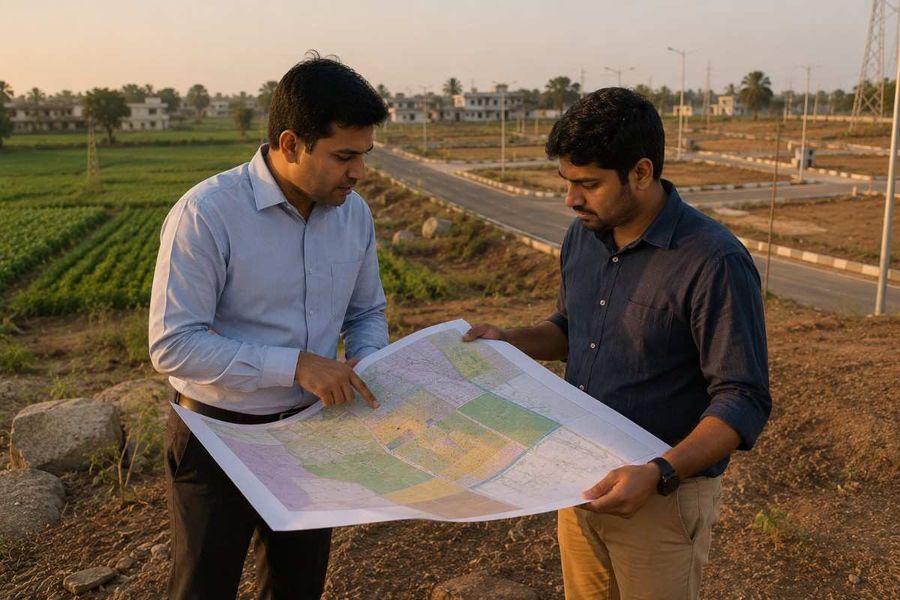
Paperwork and ground reality drift apart more often than buyers expect, so the table below separates what each check actually proves and where you get it.

Walk the Boundary Before You Pay
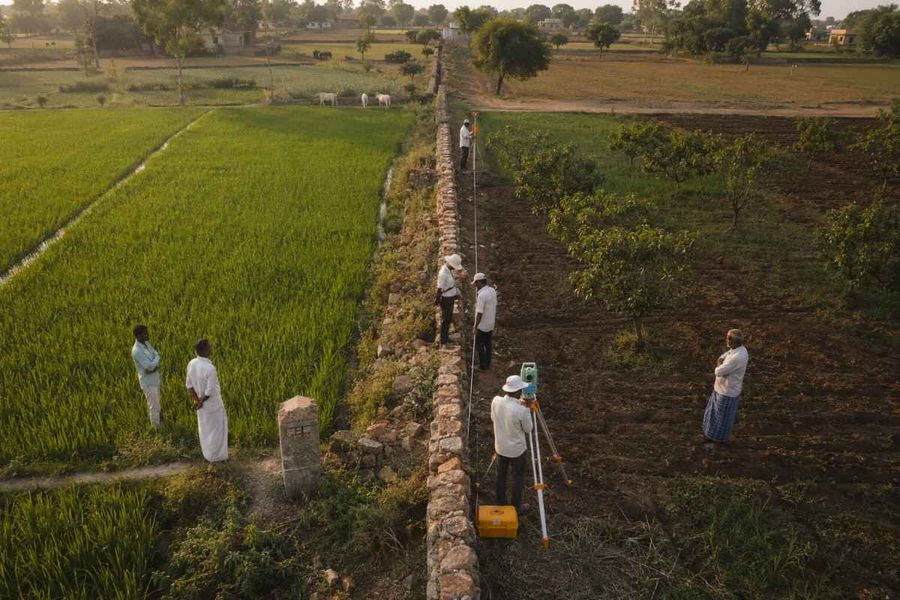
Get a licensed surveyor to measure the plot against the sale deed and the revenue record. Where your state has rolled it out, check ULPIN, the 14-digit parcel ID issued under DILRMP, sometimes called Bhu-Aadhaar.
Warning Signs of a Risky Land Purchase
Survey numbers that disagree across the sale deed, the revenue record, and the EC.
A Power of Attorney sale where the POA is unregistered or does not explicitly authorise a sale.
A seller who produces photocopies every time and originals never.
Land appearing on a prohibited property list maintained by the registration or revenue department.
Such properties cannot usually be registered until the restriction is resolved. The Sub-Registrar will refuse to register it.
Resistance to a newspaper notice. Publishing one inviting objections before closing is an ordinary practice. A seller who argues against it is telling you something.
Two checks on this list get faster on a map. 1acre.in overlays survey number boundaries and city masterplan zones onto its listings, so you can see how a parcel is classified and whether its survey number sits where the seller claims, before you pay a surveyor to confirm it.
Listings clear a preliminary verification before going live, and you call the owner directly instead of a broker, which matters when you want the Mother Deed itself and not a photocopy.
Preliminary verification is not a title search. No map layer surfaces an unregistered partition from 1998 or a mortgage sitting outside the EC. It gets you to the right documents and the right person faster. Reading them is still your job and your lawyer's.
Conclusion
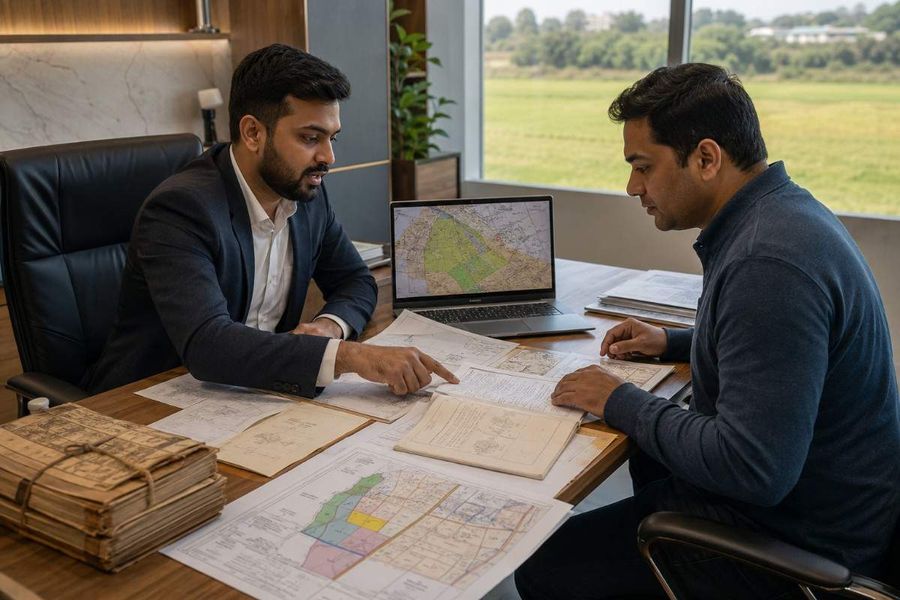
Legal verification is not optional groundwork; it is the difference between owning land and owning a dispute. Title chains, encumbrance searches, and revenue records each catch what the others miss, so no single check stands in for the rest. Zoning and conversion status decide what you can build, not just what you own. A few thousand rupees spent now is cheaper than years spent in court later.

-900x600.jpg)
-900x600.jpg)
-900x600.jpg)
-900x600.jpg)